Jewelry inspection and watchmaking need more than magnification. The useful microscope is the one that helps you see fine details clearly while keeping enough working space to manipulate the piece, turn it, compare surfaces, and capture images for records or customer communication.
If this is your main application, start with the Jewelry, Watchmaking & Numismatics use case.
What jewelers should prioritize
Surface clarity and controlled reflections
Polished metals, faceted stones, and watch components reflect light aggressively. If the illumination is not controlled, scratches, cracks, seat wear, or tool marks become harder to interpret.
The microscope should help you reduce glare enough to inspect:
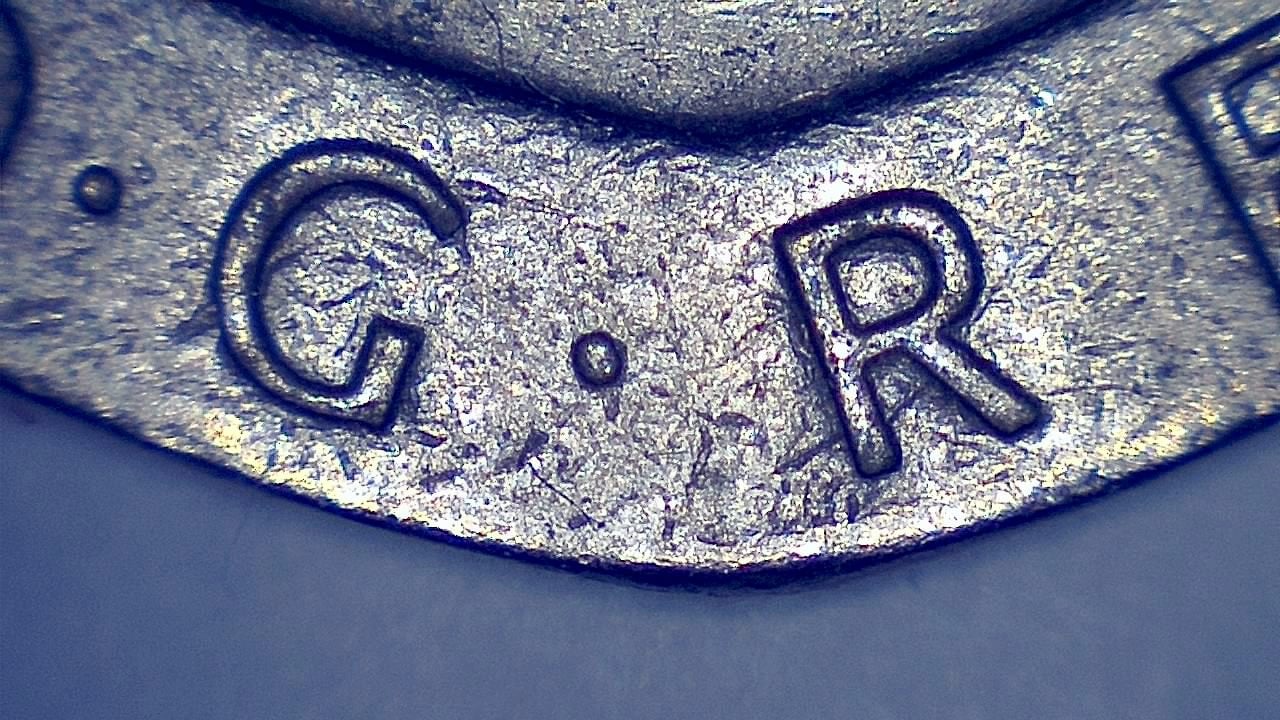
- Hallmarks and maker’s marks
- Stone seating and prong condition
- Surface scratches and polishing quality
- Repair marks and solder areas
- Fine mechanical details in watch components
Stable bench setup
A stable stand is usually the difference between a tool that looks impressive in a demo and a tool that works every day at the bench. Stability matters when the same item needs inspection before repair, during the work, and again before delivery.
See the accessories if you need a more repeatable setup for intake, repair verification, or images you can share with customers.
Enough working room for tools and handling
Watchmakers and jewelers need to rotate a part, point at a defect, or inspect while handling tweezers or other tools. A microscope that forces the lens too close to the piece becomes inconvenient quickly.
Digital documentation
This is where a USB microscope can be stronger than a simple loupe or an optical bench magnifier. Digital capture makes it easier to:
- Show a customer why a repair is needed
- Record condition before and after work
- Compare stones or surfaces over time
- Build visual evidence for quality control
The software is especially relevant if you want the microscope to support sales, intake, or workshop traceability.
Where Smart G-Scope fits well
Smart G-Scope is a strong match when your workshop needs:
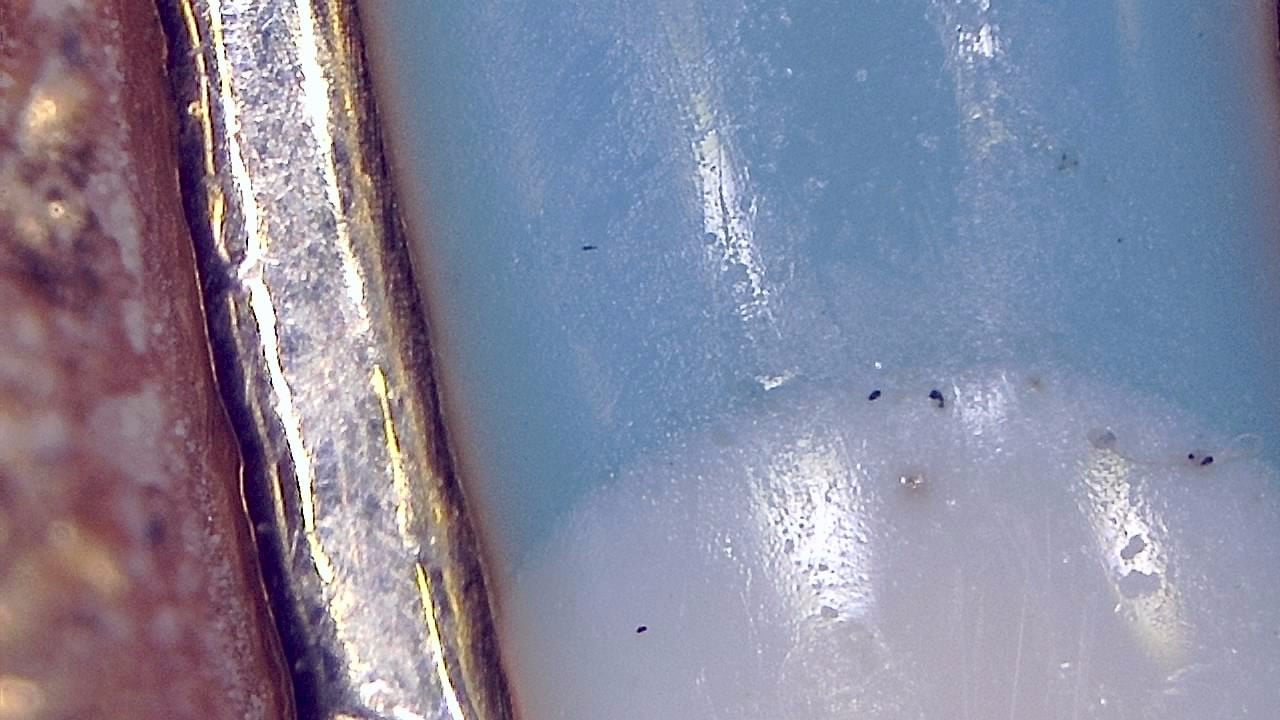
- Detailed inspection of hallmarks, settings, edges, and surface defects
- Repeatable visual checks before delivery
- Digital images for documentation or customer explanation
- A portable microscope that can move between bench, retail, or training settings
It is also useful for numismatics and collectible objects when the goal is close visual review and image capture, not formal laboratory authentication.
What it does not replace
No digital microscope replaces full gemstone grading, advanced laboratory authentication, or specialist materials testing. It is a practical inspection and documentation tool, not a substitute for every expert or lab process.
That matters because the right expectation leads to the right purchase.
Buying questions to answer first
Before choosing your setup, decide:
- Is the microscope mainly for workshop inspection, retail consultation, or both?
- Do you need still images for intake records and customer approval?
- Will it be used mostly on rings and small parts, or also on watches and larger items?
- Do you need a stable bench stand or more mobility?
- Is your main task condition inspection, repair verification, or authentication support?
Recommended Smart G-Scope path
For jewelry and watchmaking, the cleanest buying path is:
- Review the jewelry use case page.
- Compare the accessories for bench stability.
- Check the specifications if compatibility and working workflow matter to your team.
- Review the software if you need documentation you can share clearly with customers.
- Use the contact page with a short description of your workshop and typical inspection tasks.
The best result comes from matching the setup to the real bench routine, not from buying the most complex microscope available.