Professional USB microscope · Aesthetics
Advanced Aesthetics and Cosmetology
Skin analysis, treatment evaluation, and documentation for professional aesthetic clinics.
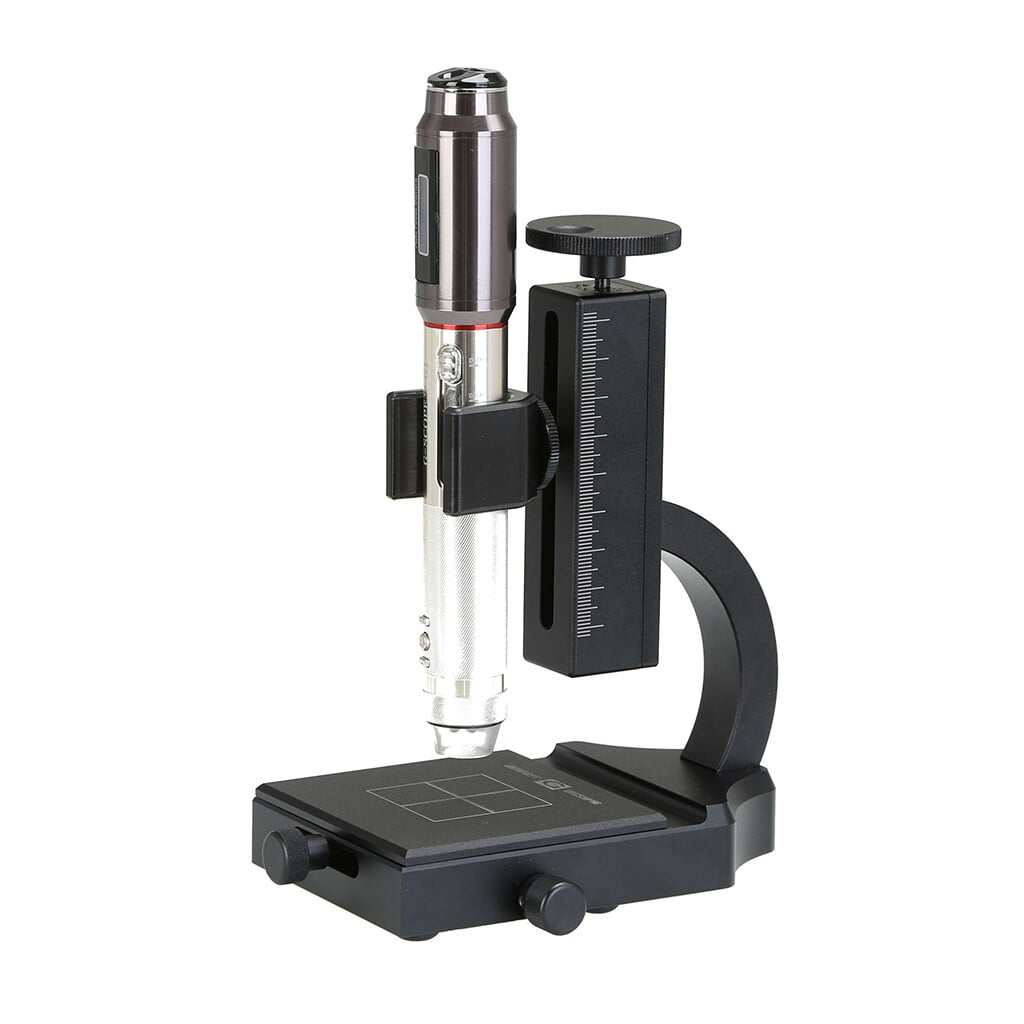
- Four quick magnification levels40x, 100x, 180x and 250x with the general inspection end-cap
- 3Pi narrow-tip end-cap100x access to small or recessed areas that remain in direct line of sight
- Quality optics, autofocus + Full HDCorning® Varioptic® liquid lens, photos and 30fps video
- Professional European supportShips from Spain with a two-year warranty
Overview
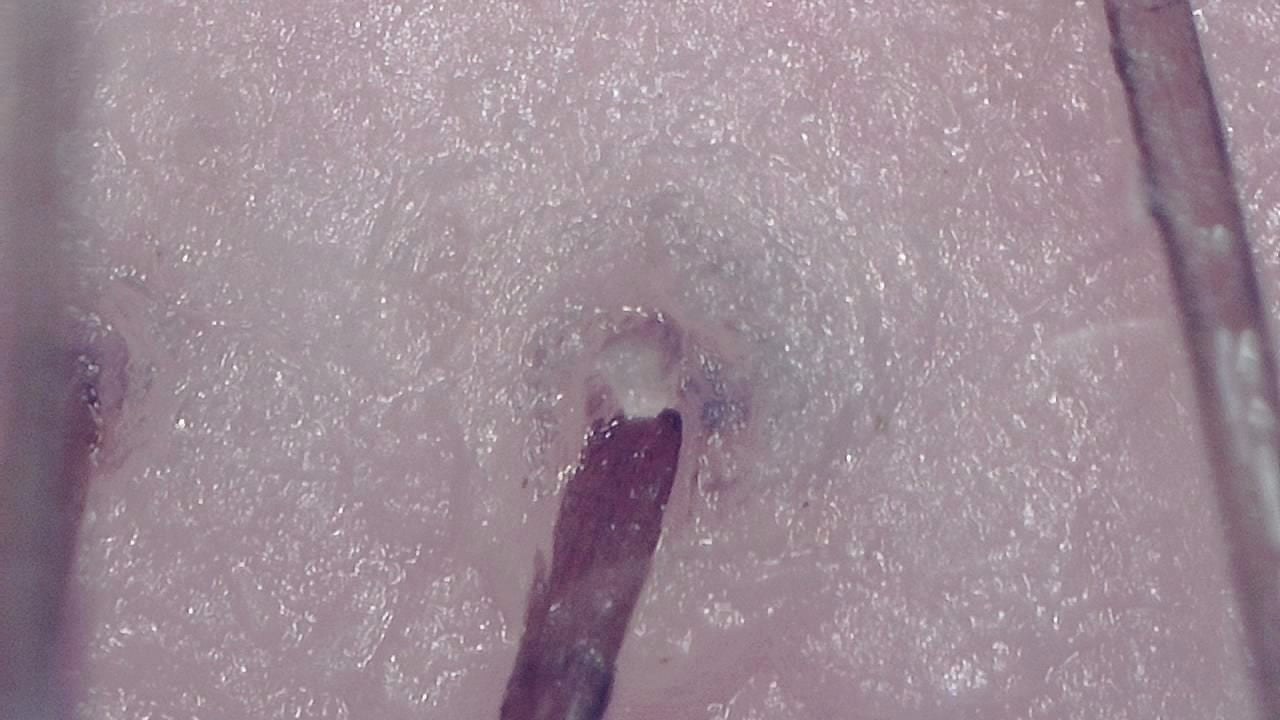
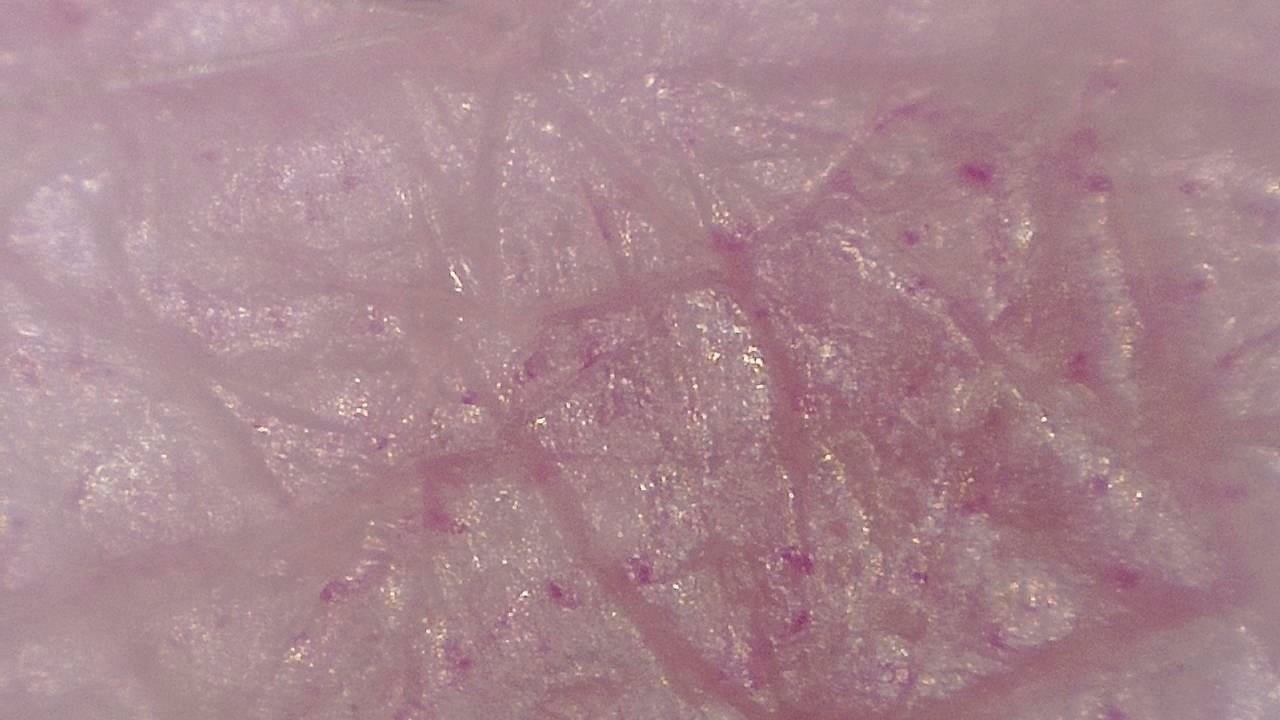
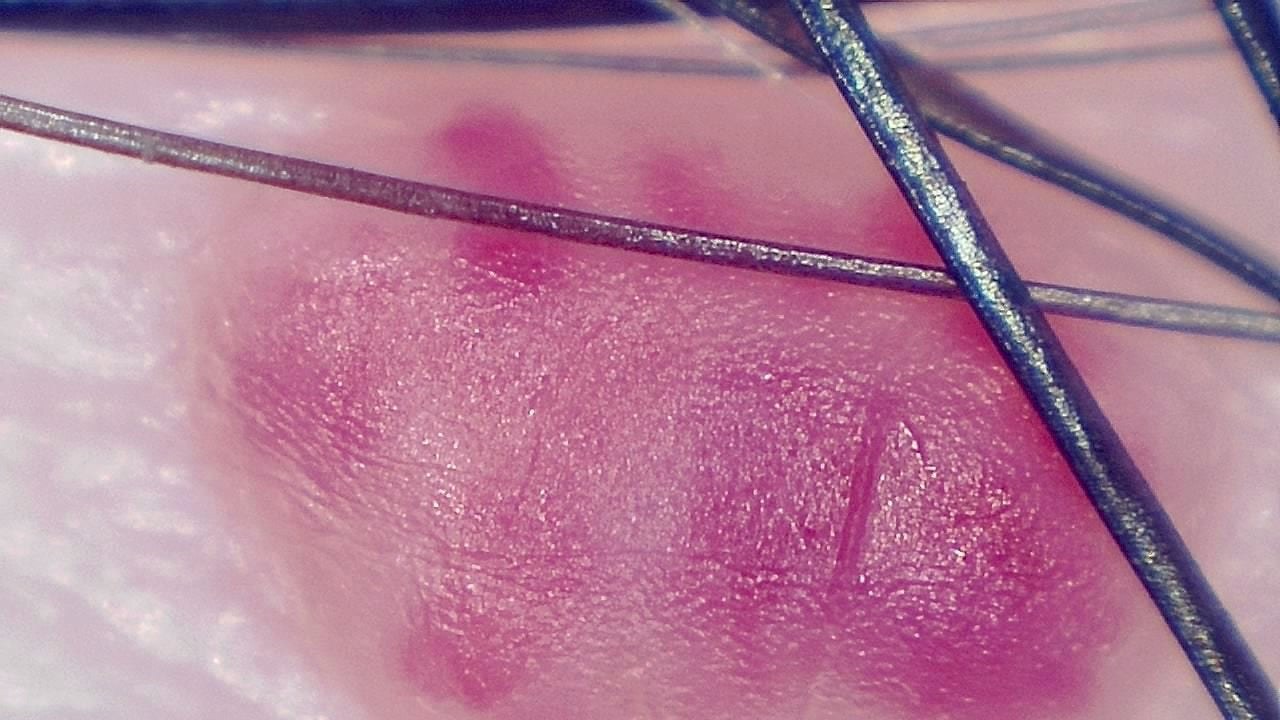
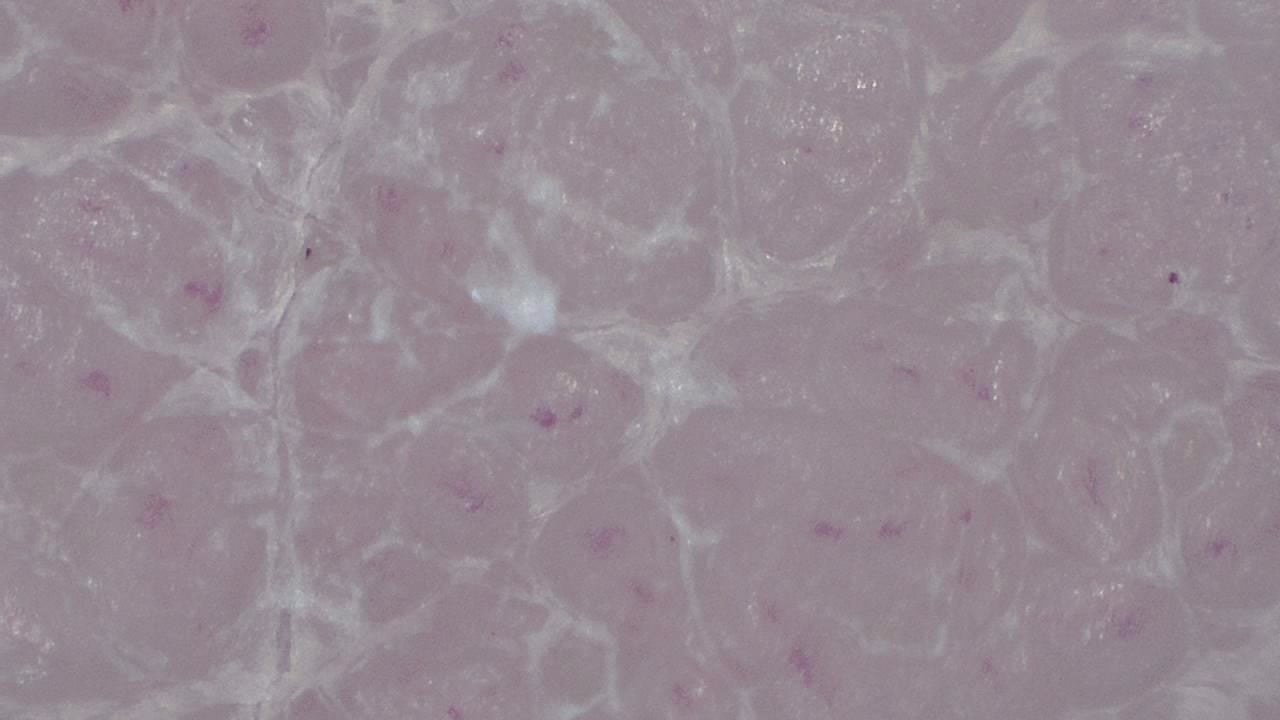
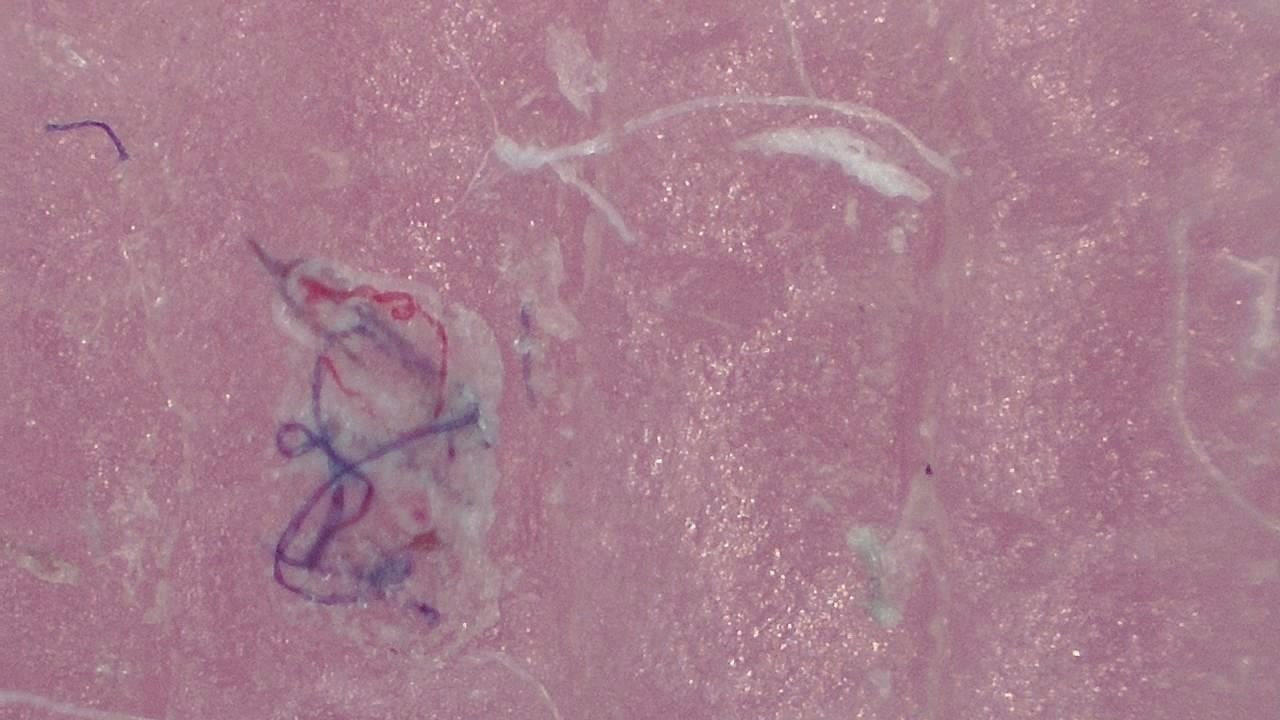
In professional aesthetics, consistent close-up photography can help document visible pores, fine lines, spots, and skin texture before and after a service.
The ability to compare before/after images of treatments such as peels, mesotherapy, or laser procedures provides a powerful communication tool that increases client confidence and strengthens the clinic’s professional perception.
Additionally, early identification of suspicious skin changes helps refer clients to dermatologists when appropriate, reinforcing safety and ethical practice.
Key benefits
- Magnified visual documentation of pores, expression lines, and pigmentation
- Before/after photographic documentation of treatments
- Effective visual communication with clients
- A visual record that can prompt referral when a professional notices a change
- Competitive differentiation for the aesthetic clinic
Image gallery
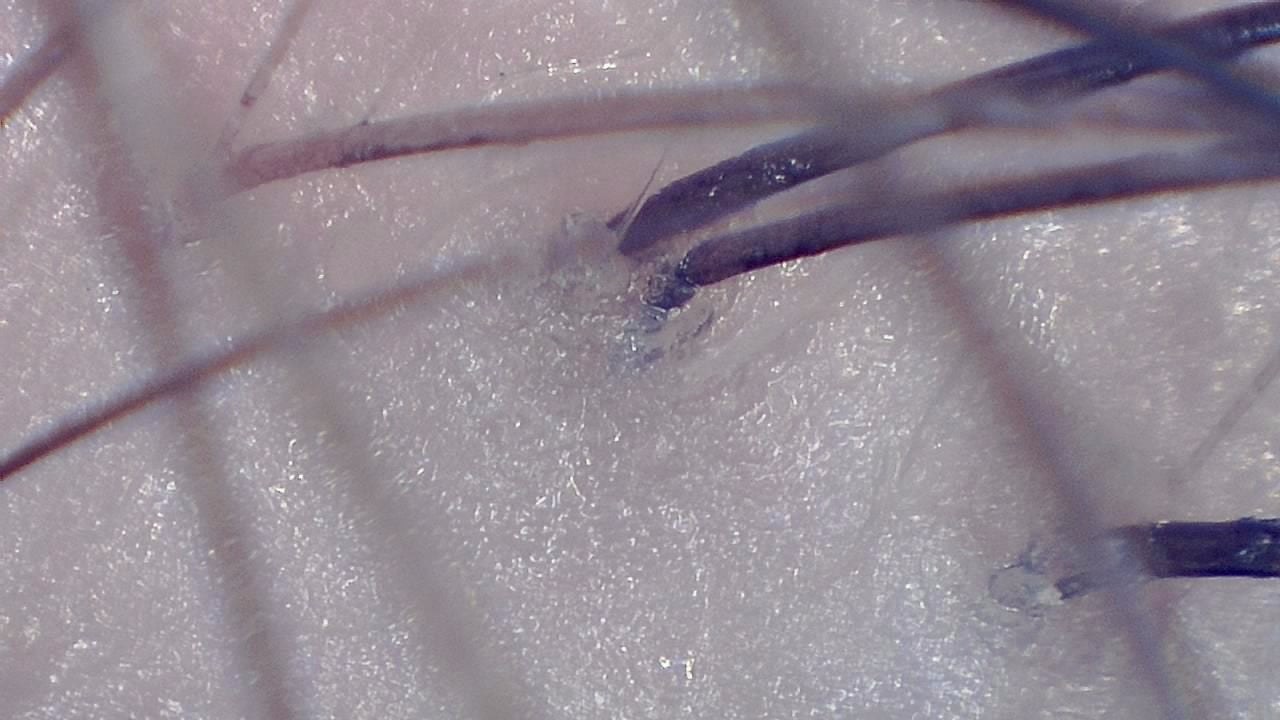
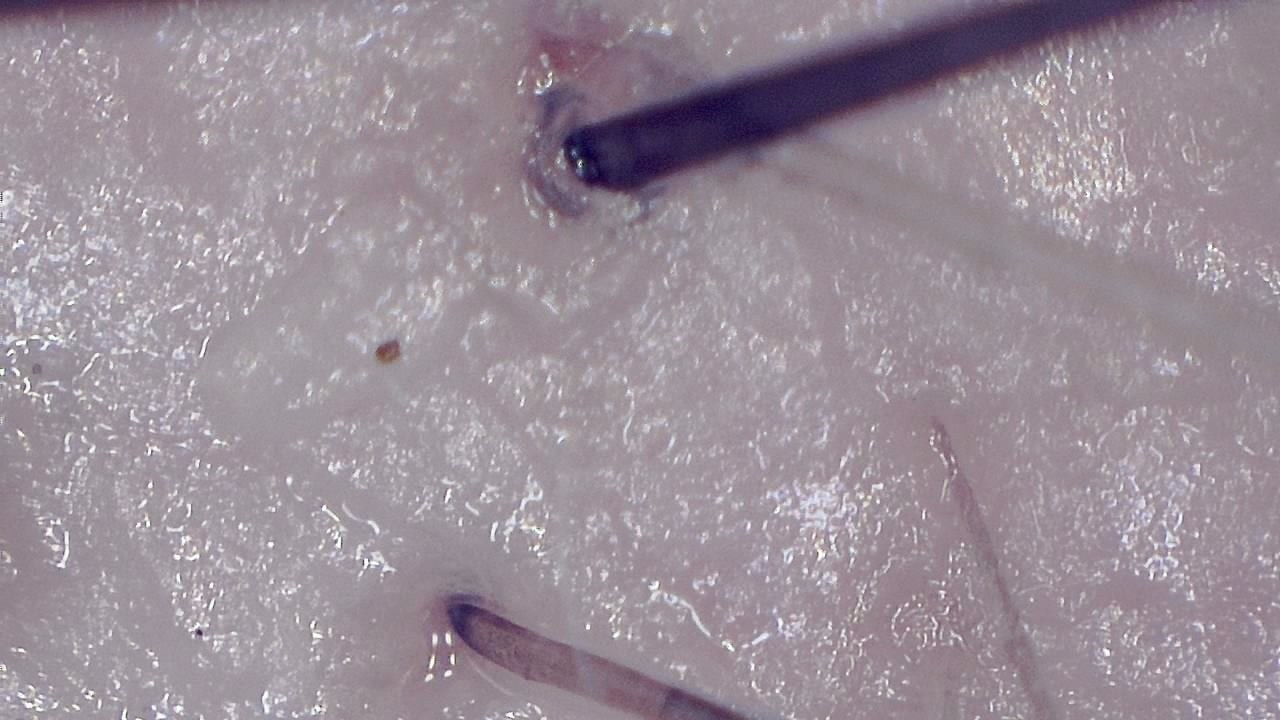
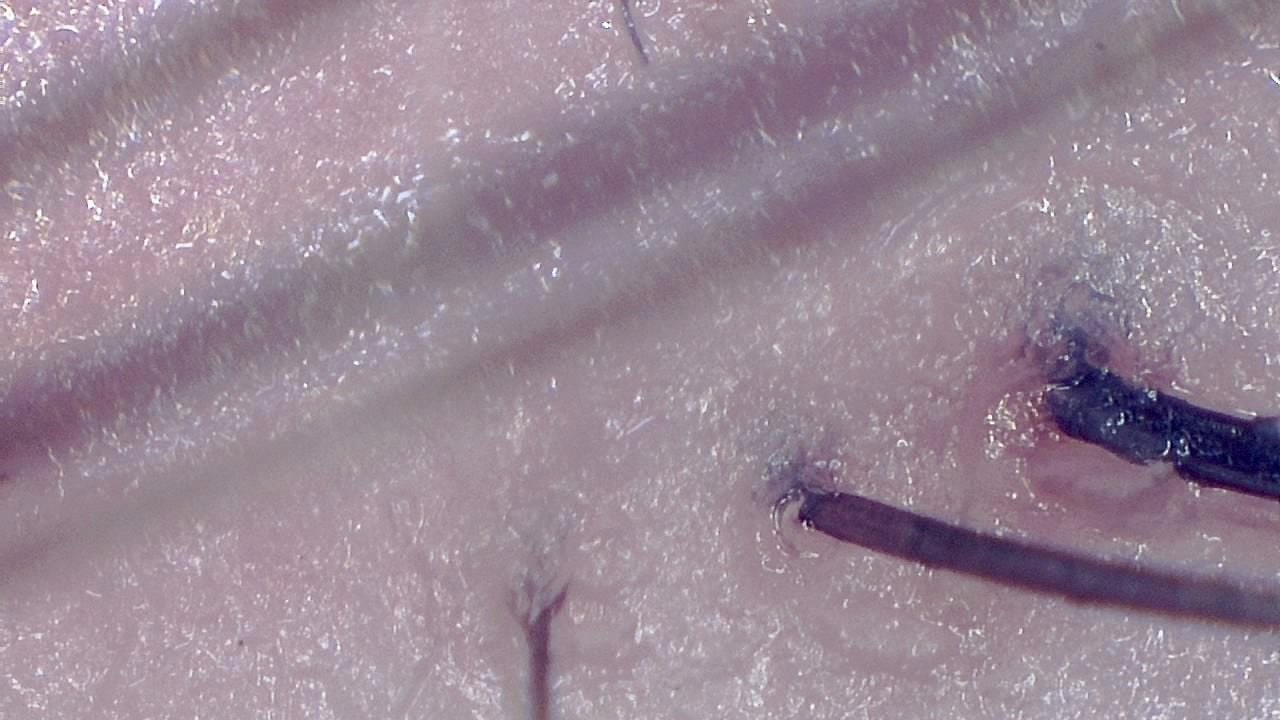
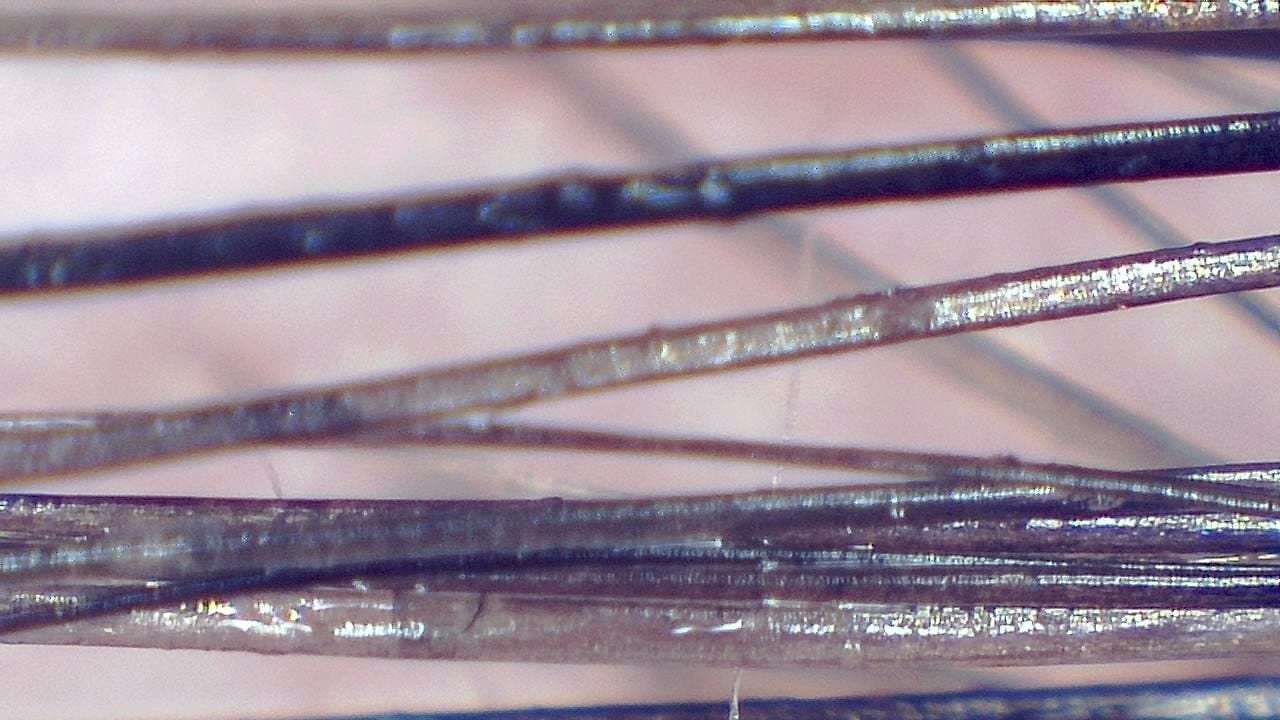
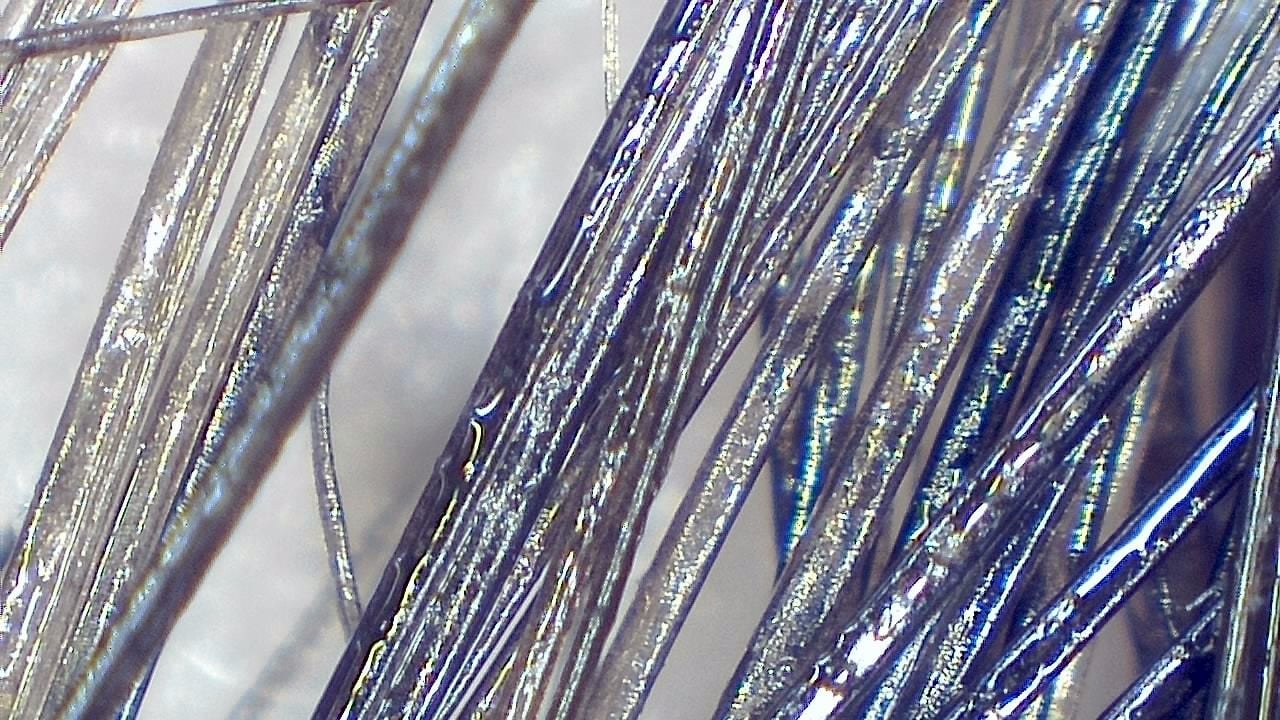
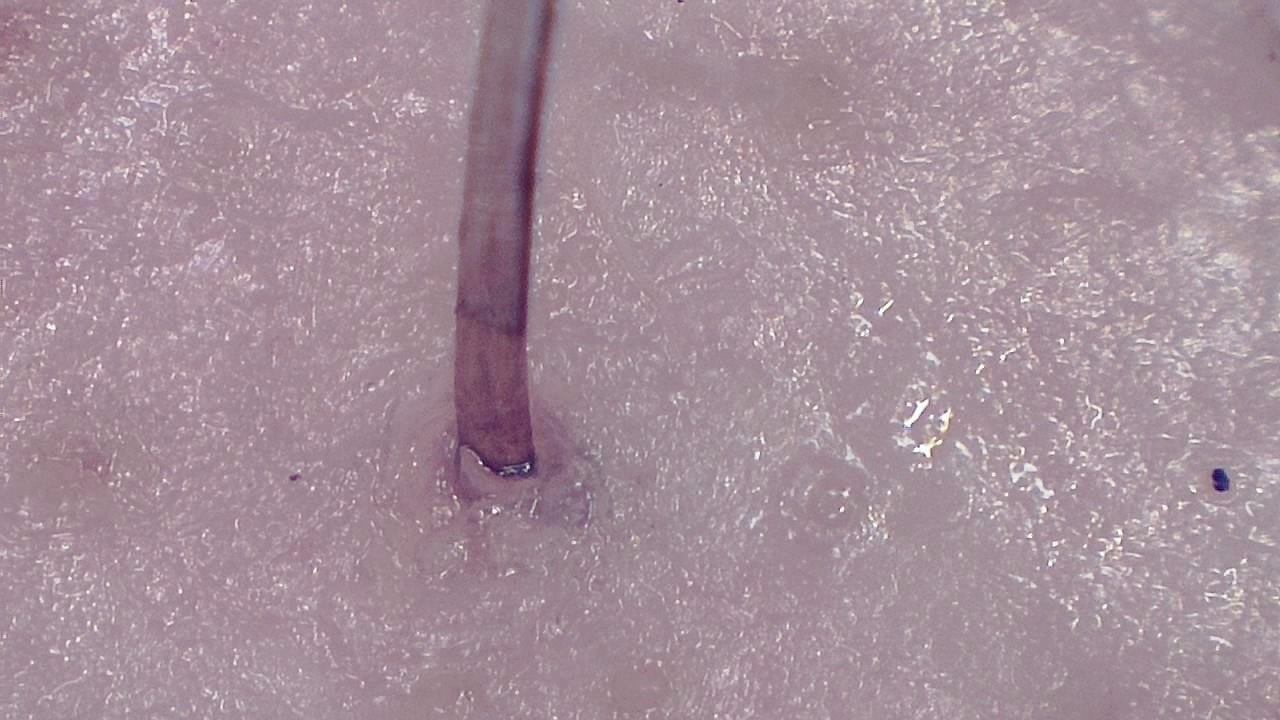
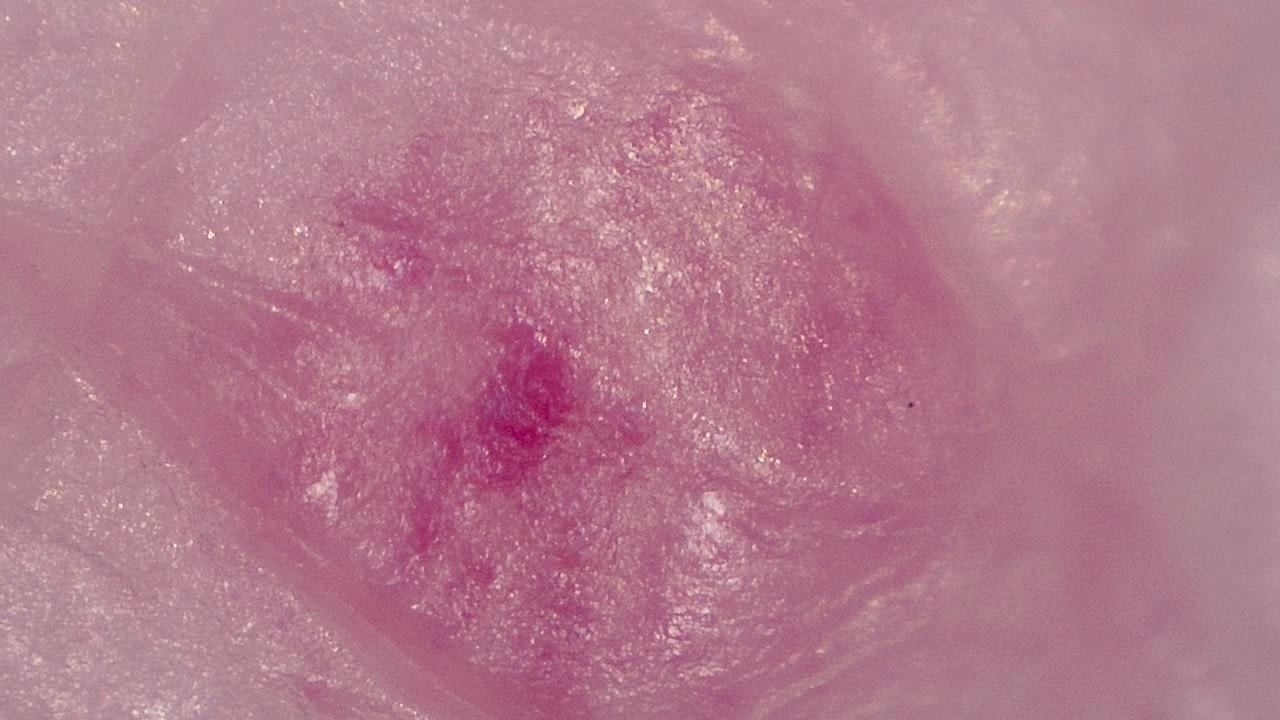
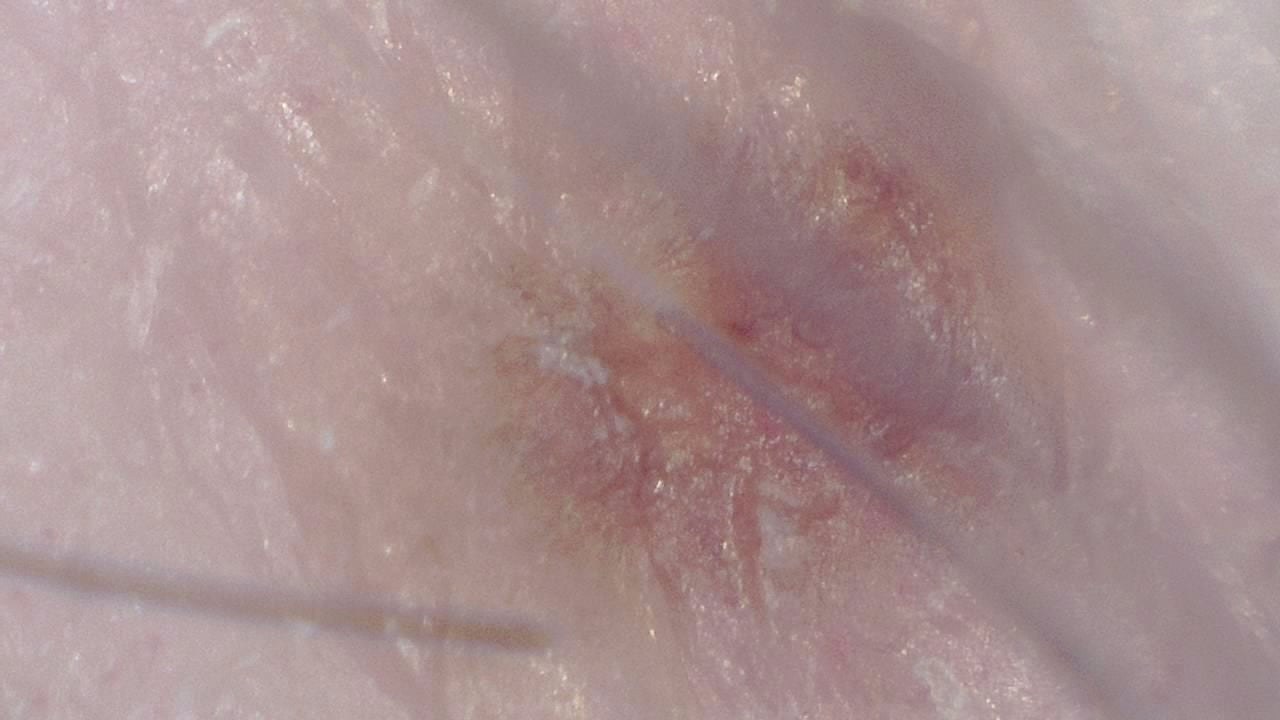
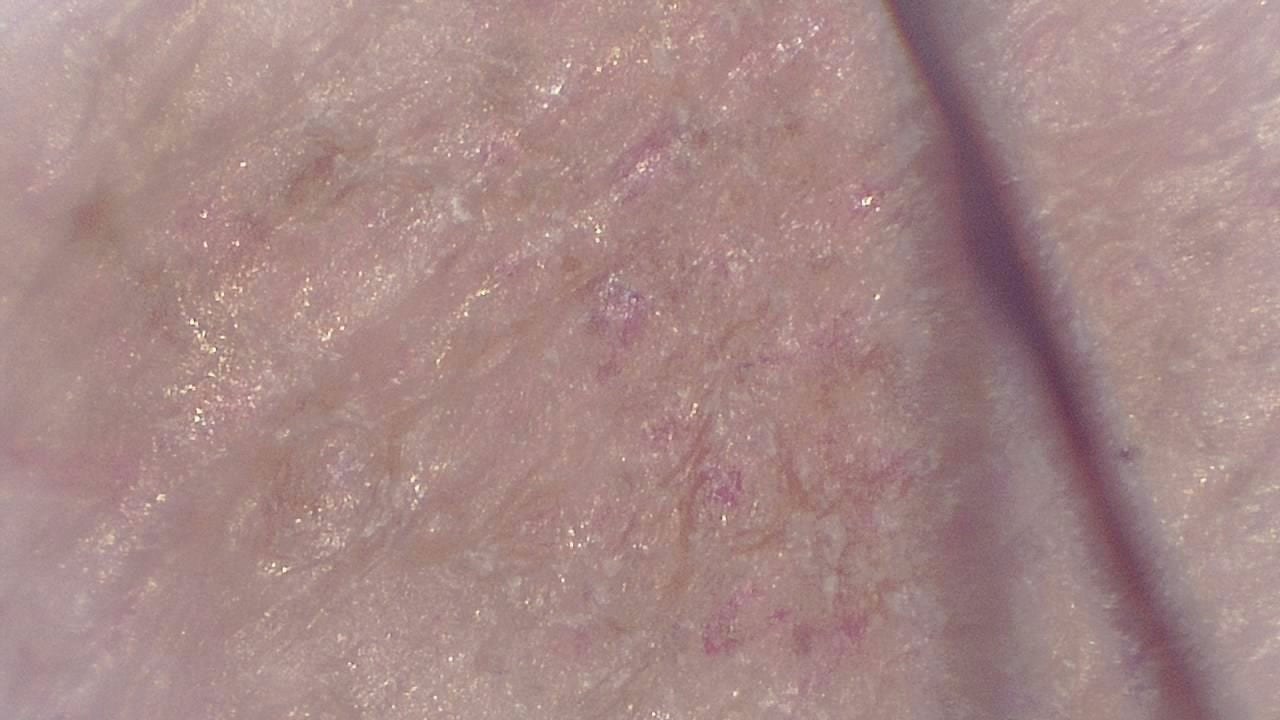
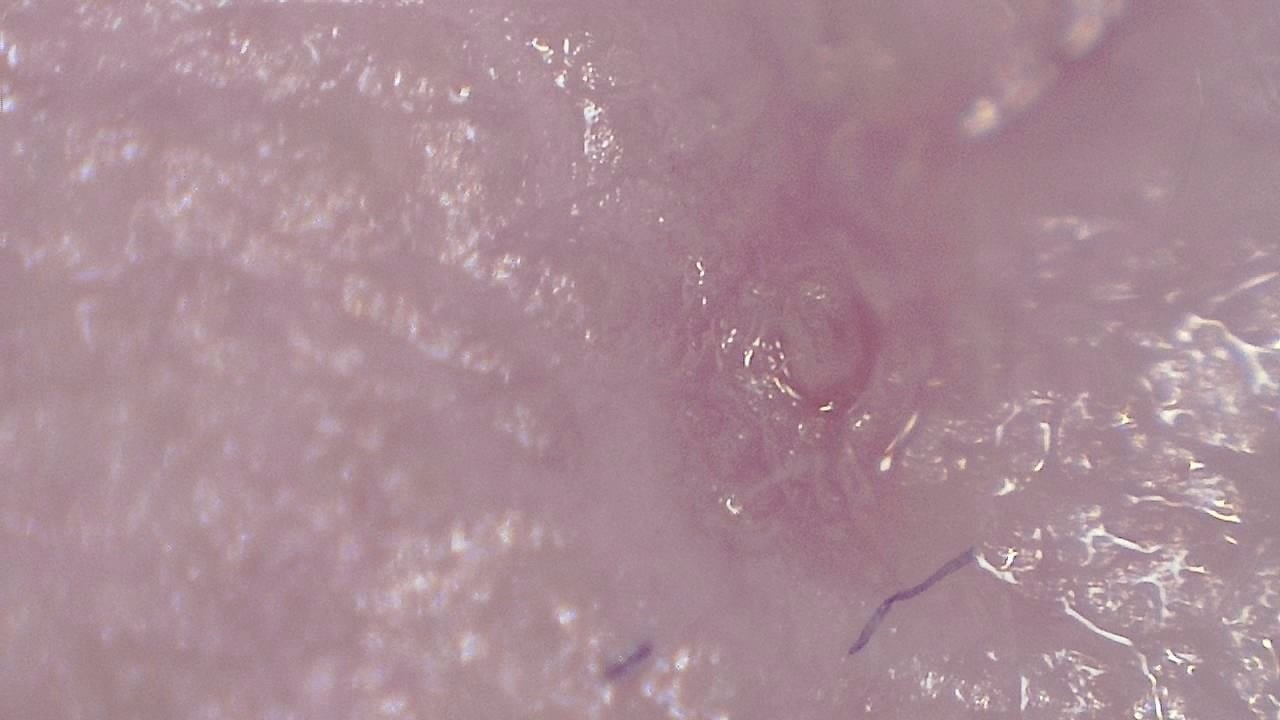
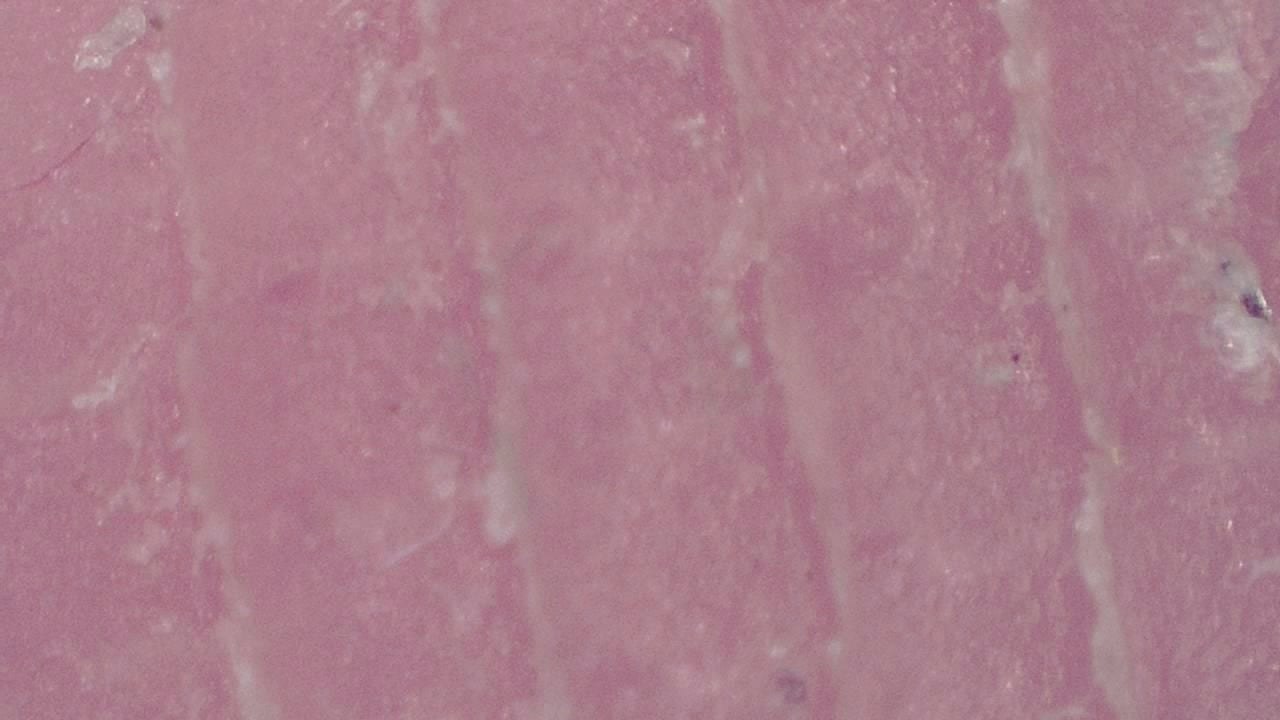
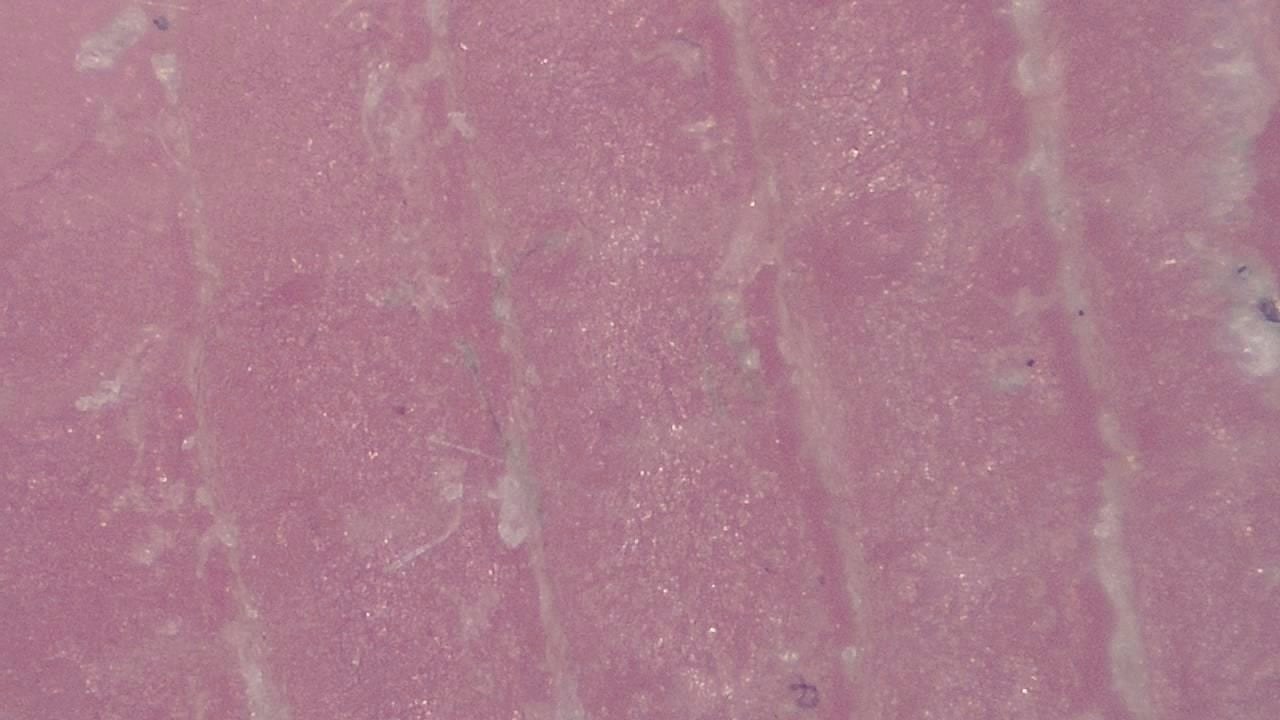
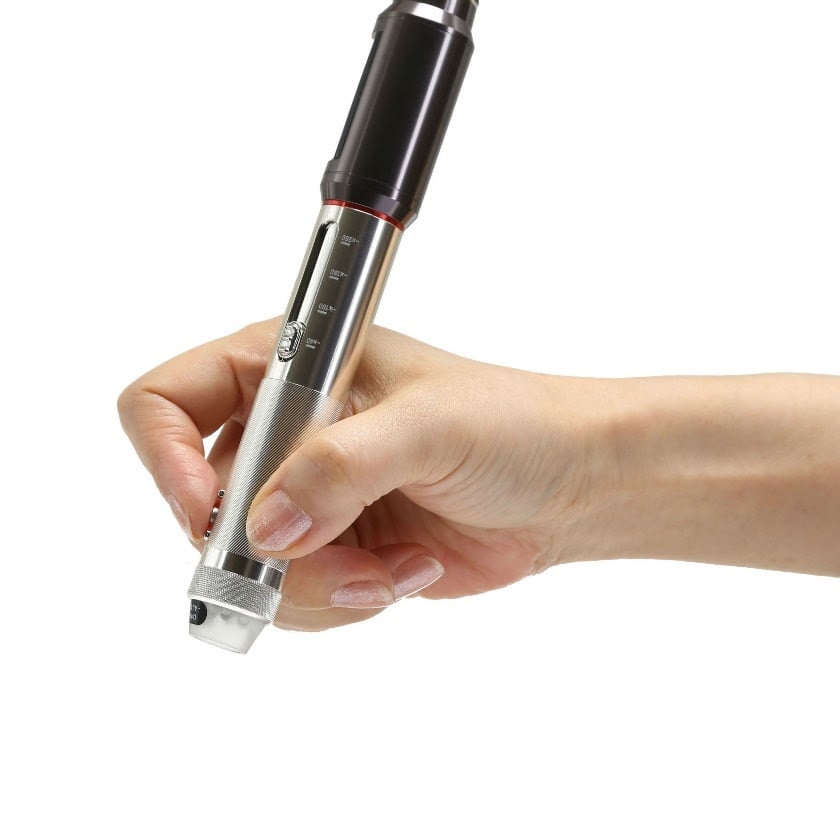
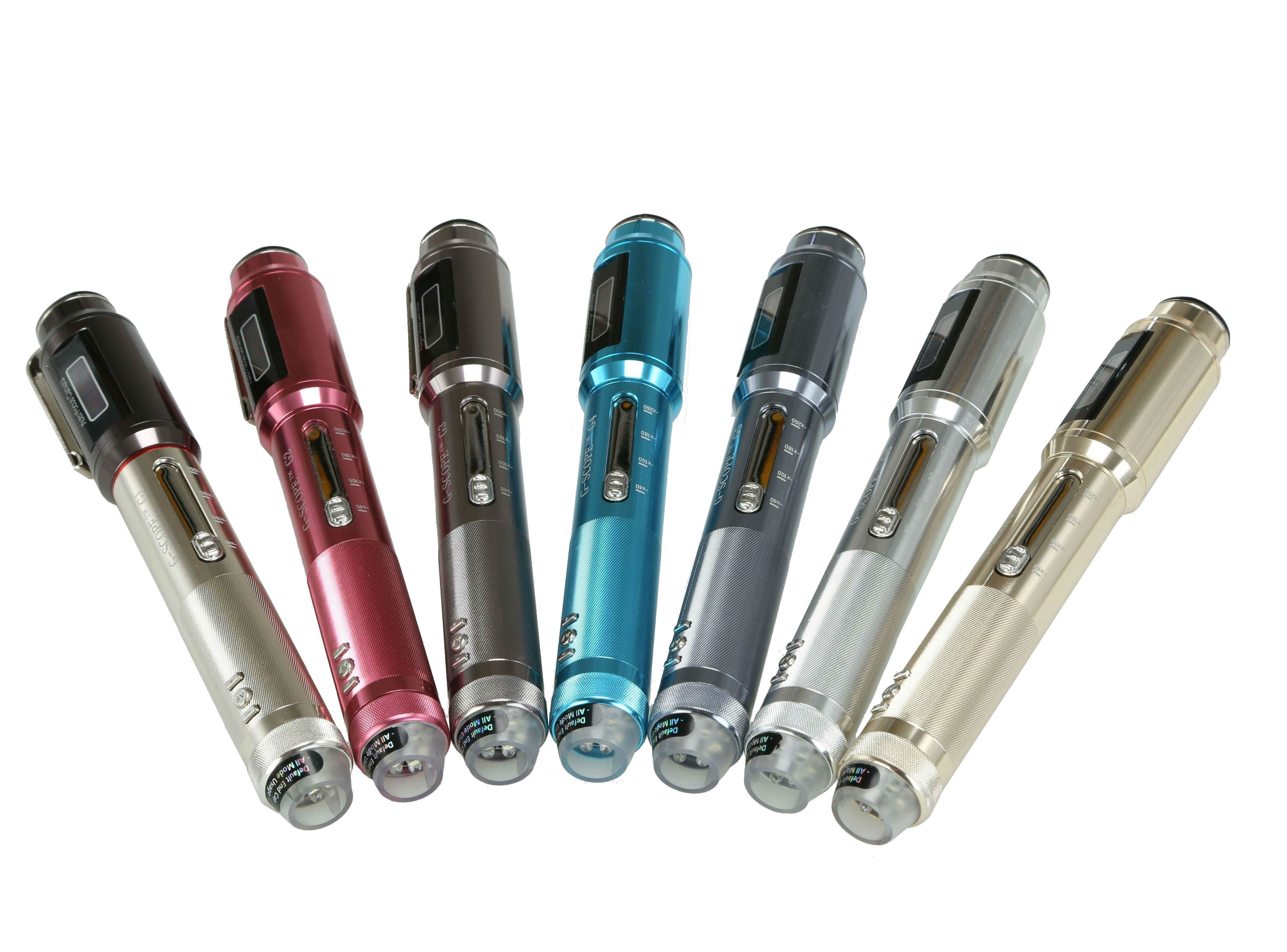
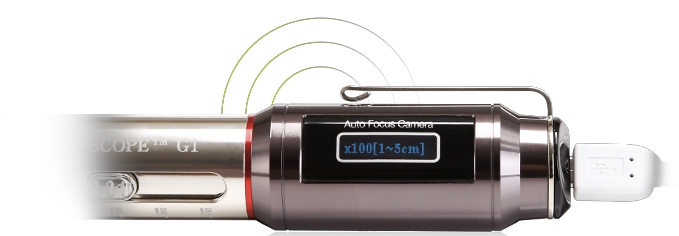
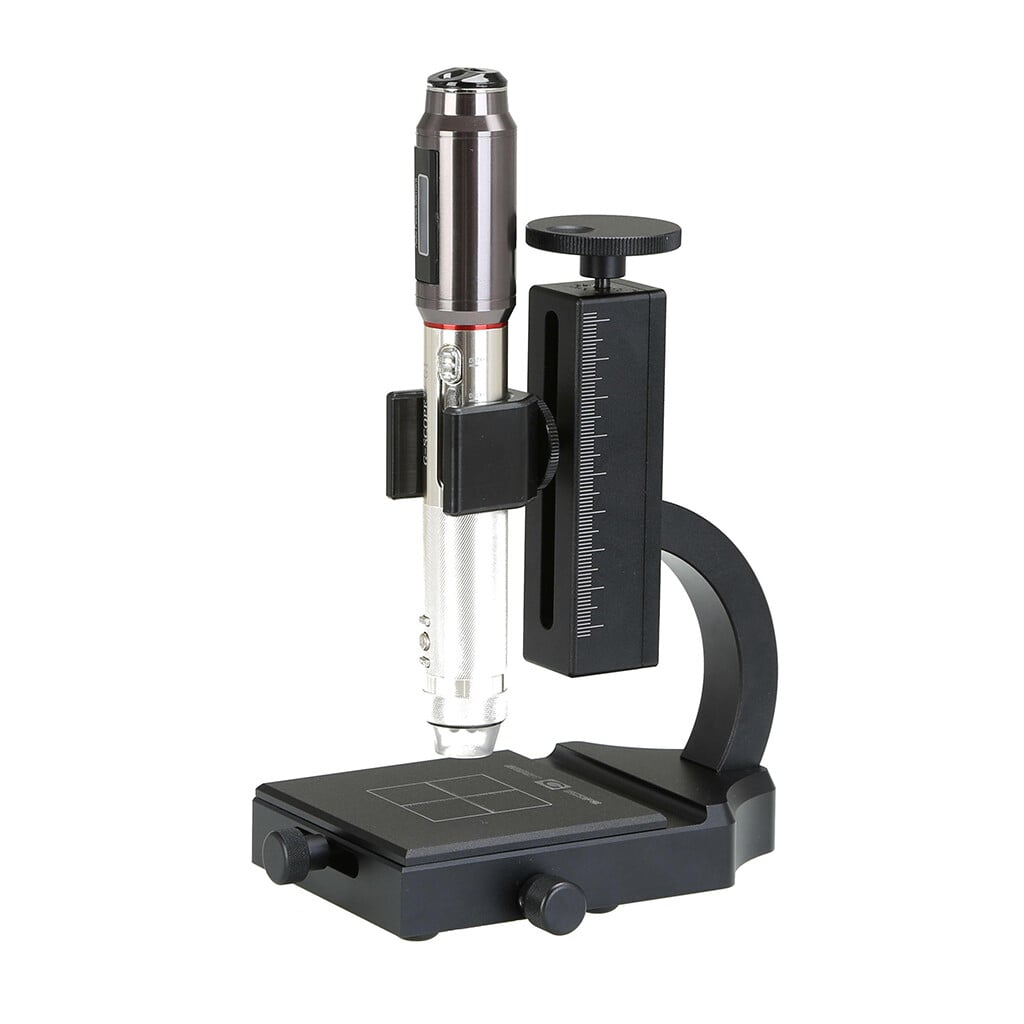
Click any image to enlarge
Practical examples
Anti-aging treatment evaluation
An aesthetic clinic photographs the same periorbital area before and after a treatment under consistent lighting and positioning, providing a visual comparison without presenting it as a clinical or quantitative measurement.
Identification of a suspicious lesion
During routine imaging, an aesthetician notices a visible skin change and refers the client to a medical professional rather than interpreting or diagnosing it.
Limitations & best practices
- Do not provide medical diagnoses; refer when lesions appear suspicious.
- Clean the client’s skin before analysis for reliable results.
- Maintain consistent lighting conditions between sessions.