Professional USB microscope · Forensics
Portable USB Microscope for Forensic Surface Inspection
Portable magnified documentation for surfaces, fibers, marks, documents, and material traces in controlled workflows.
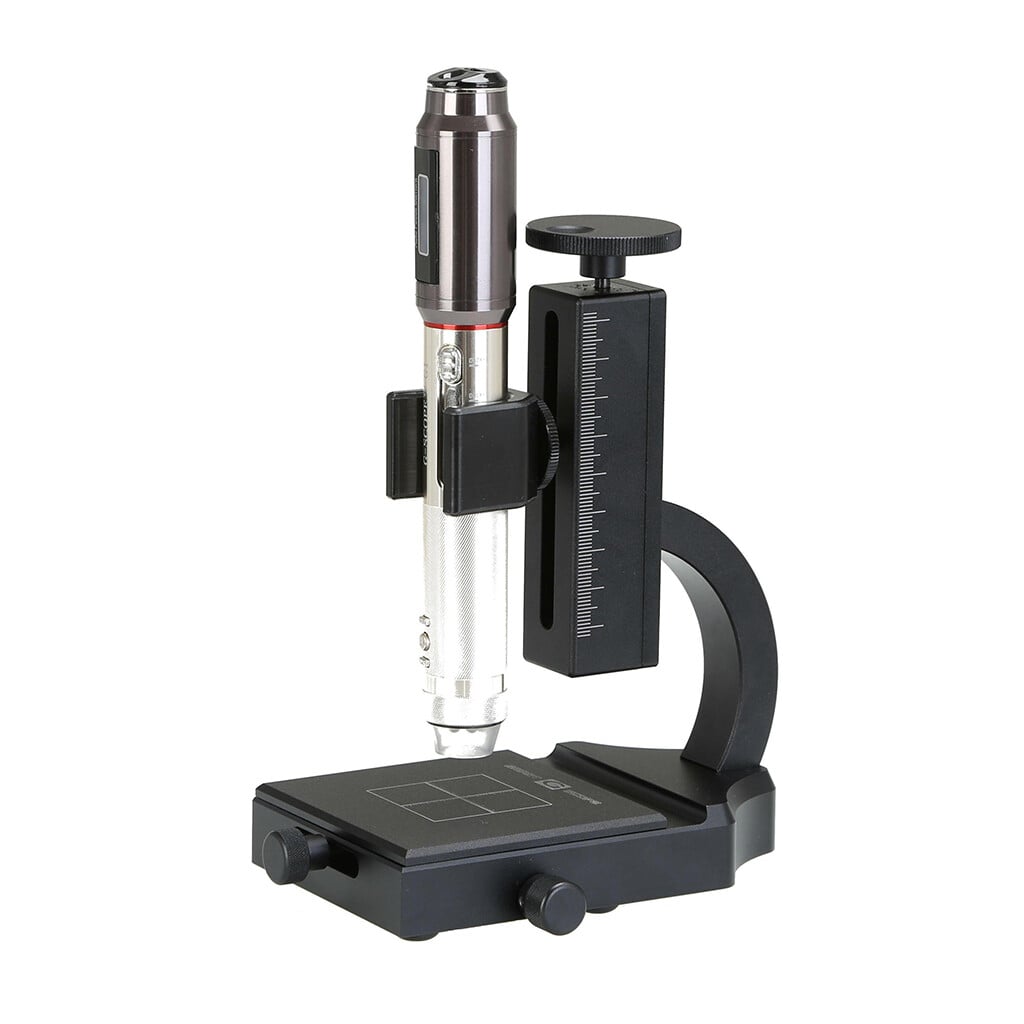
- Four quick magnification levels40x, 100x, 180x and 250x with the general inspection end-cap
- 3Pi narrow-tip end-cap100x access to small or recessed areas that remain in direct line of sight
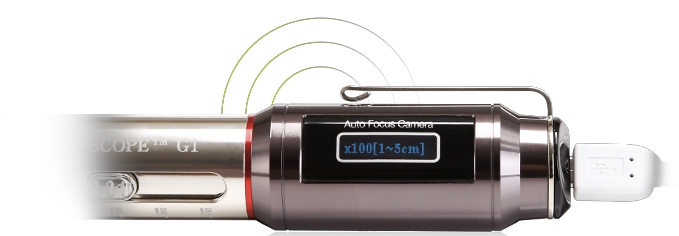
- Quality optics, autofocus + Full HDCorning® Varioptic® liquid lens, photos and 30fps video
- Professional European supportShips from Spain with a two-year warranty
Overview
In forensic work, visualizing and documenting physical evidence is critical for criminal investigations and judicial processes. Smart G-Scope provides forensic experts and crime scene technicians with a portable tool for examining evidence in the field or in the laboratory.
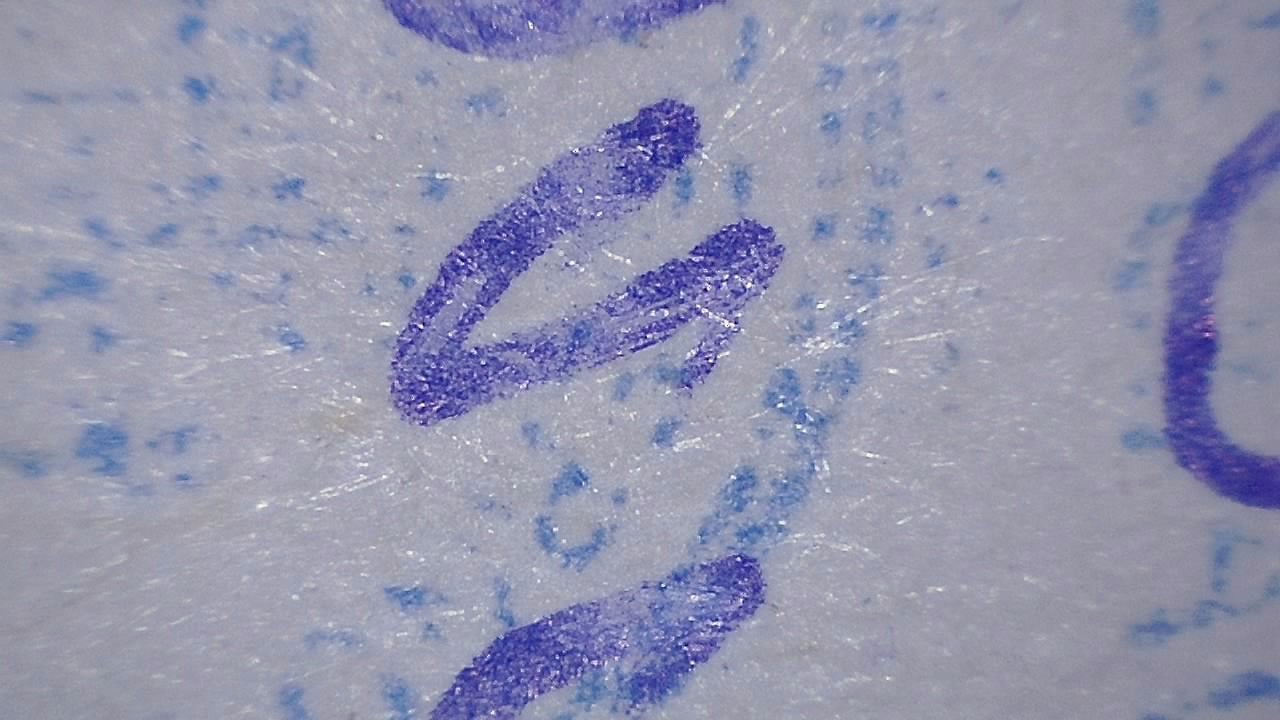
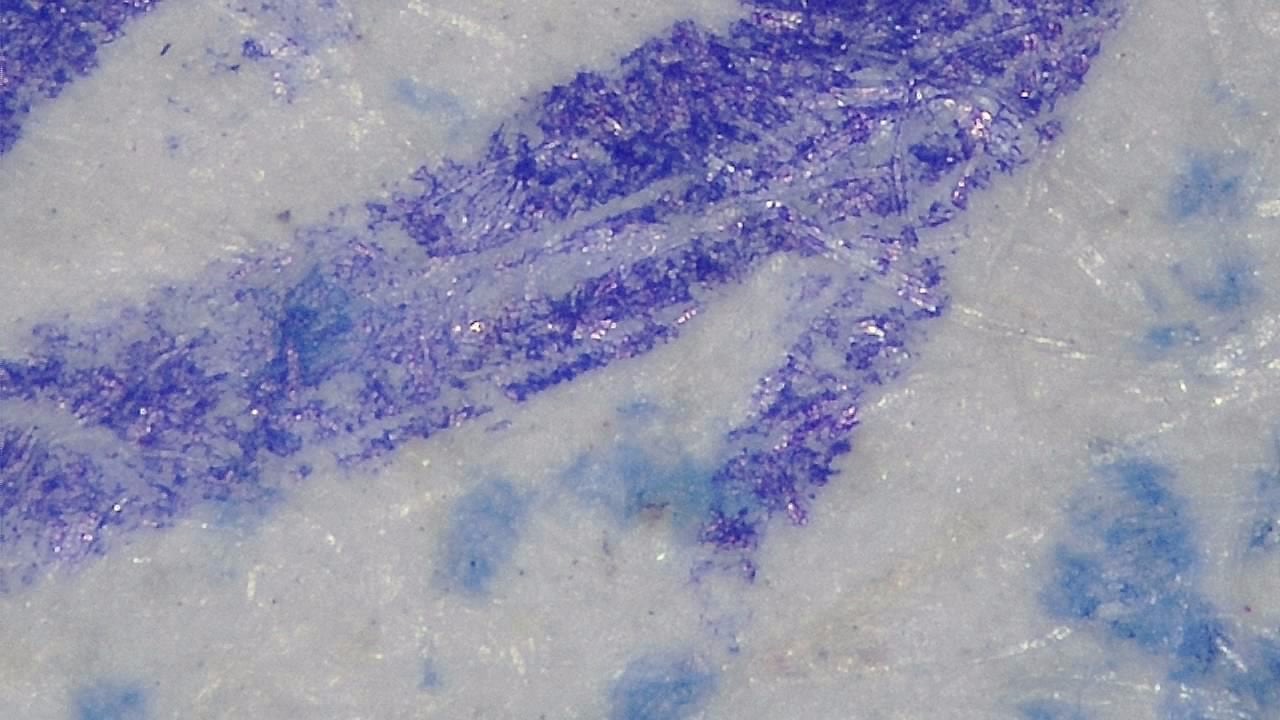
It can photograph visible surface marks, textile fibers, hairs, document details, and other optically accessible items for preliminary review or training.
The images are not a validated comparison result or proof of identity. Evidentiary conclusions require accredited methods, validated equipment, chain of custody, and a qualified examiner.
Recommended Smart G-Scope setup
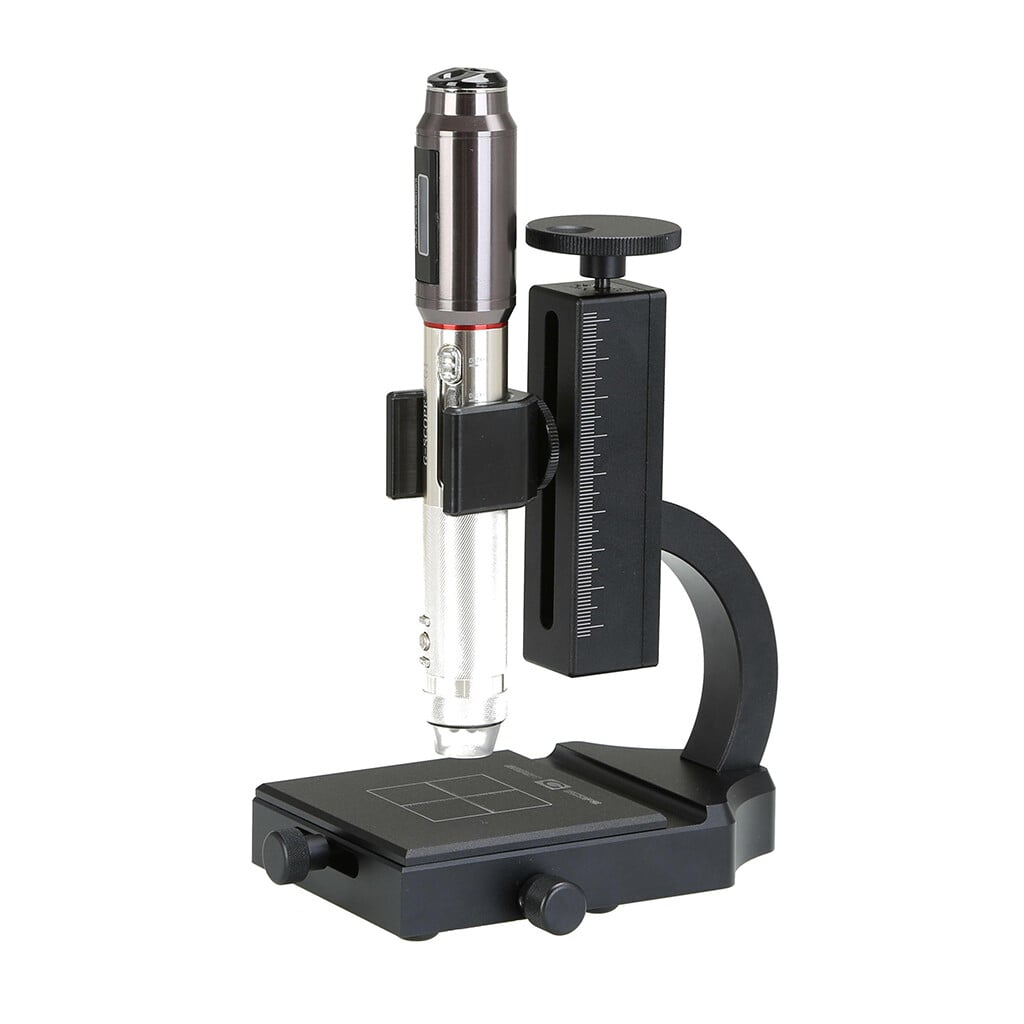
- Use stable positioning and consistent lighting for repeatable photo evidence.
- Handle samples according to local chain-of-custody and contamination-control procedures.
- Capture overview and close-up images with labels and context notes.
What you can observe
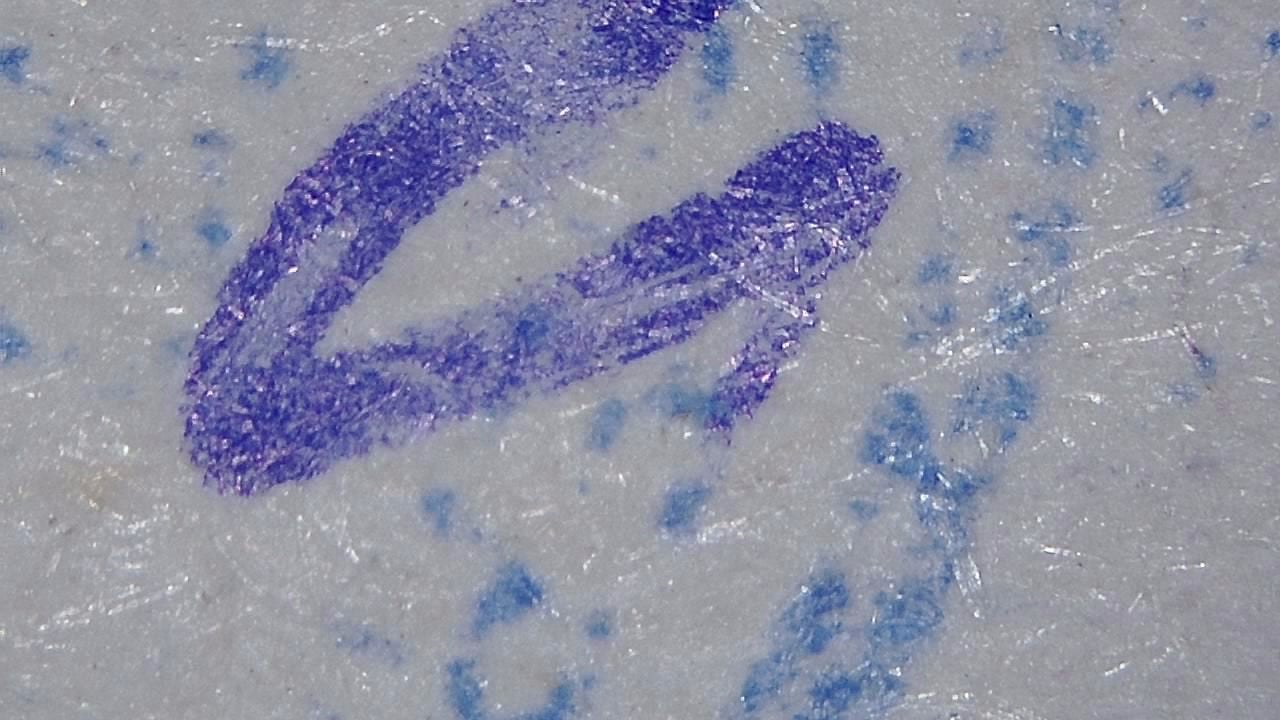
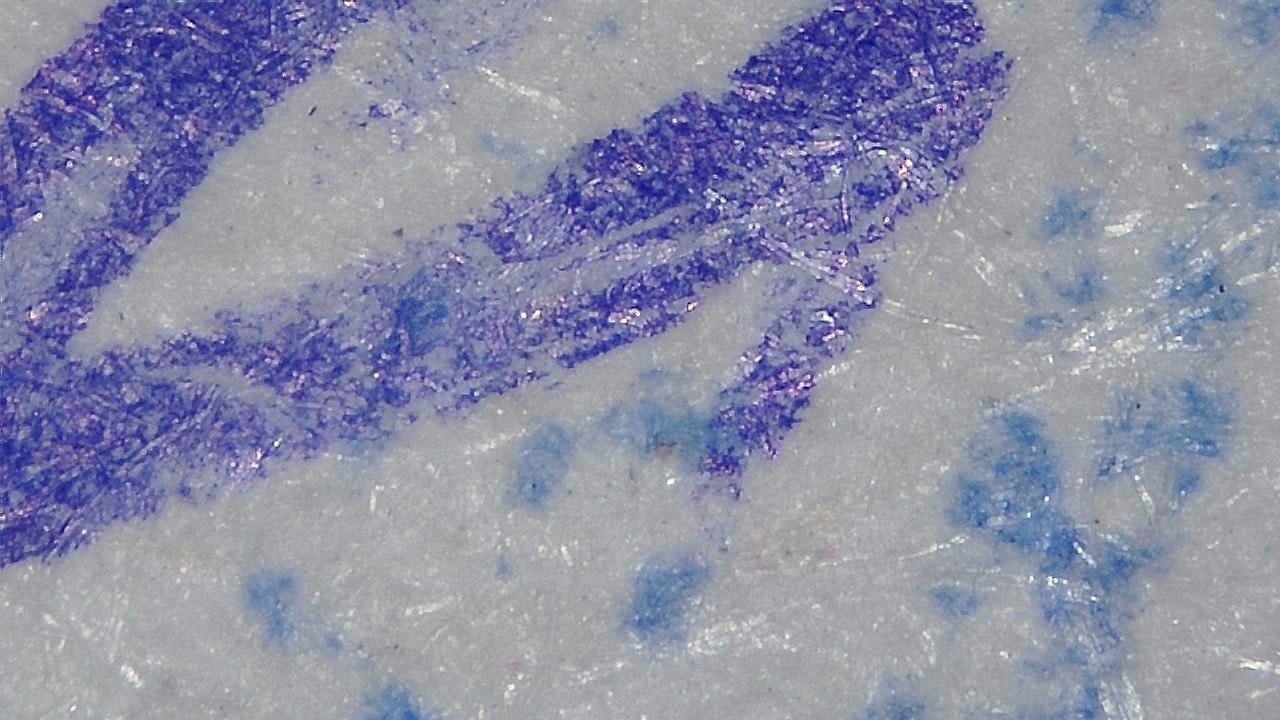
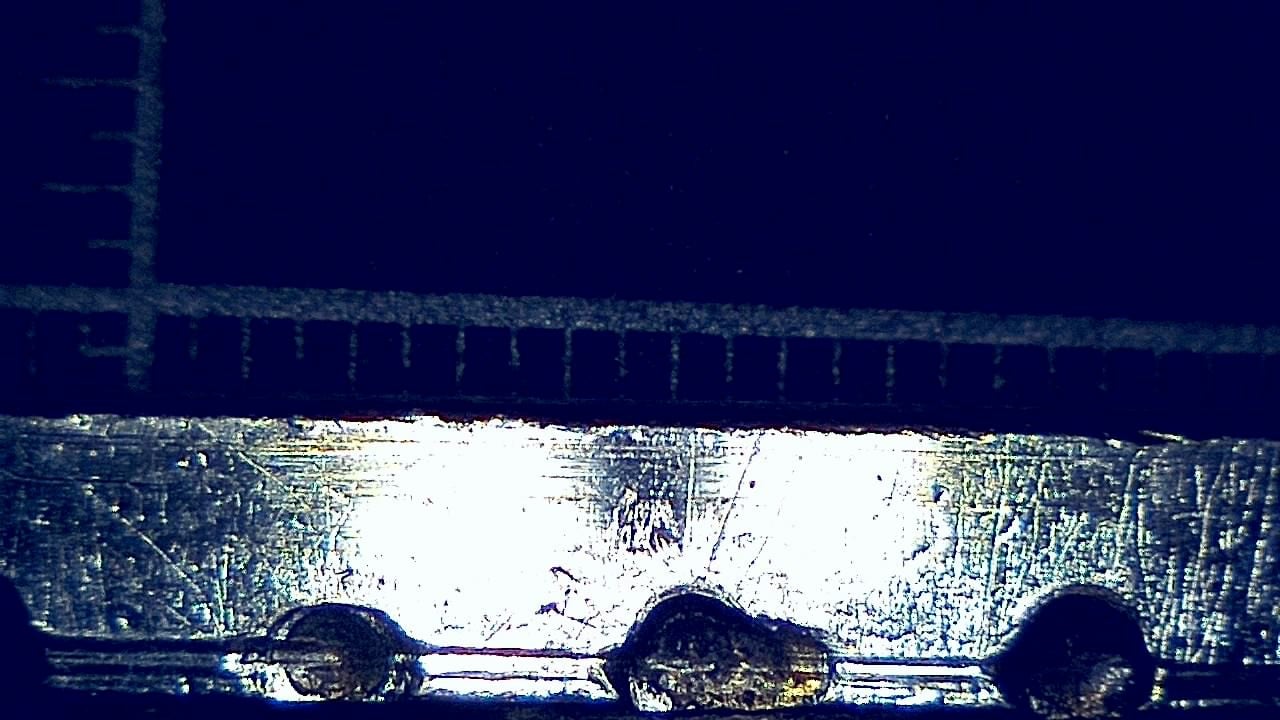
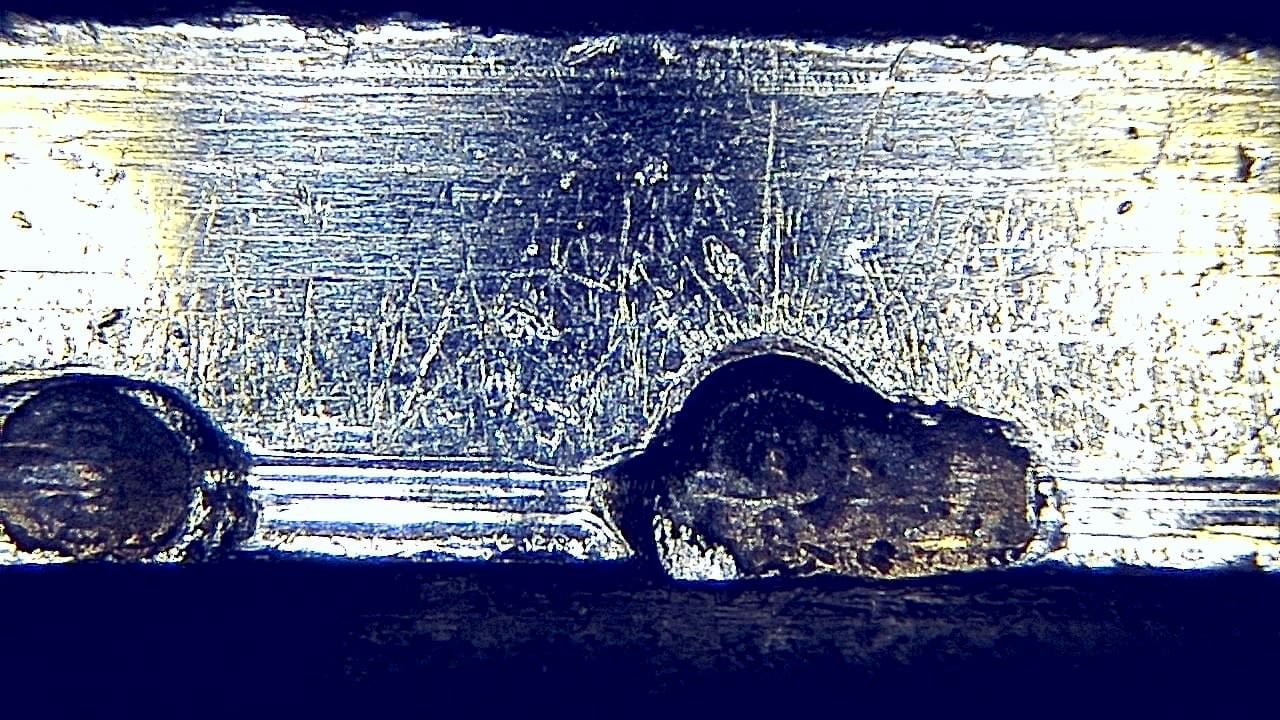
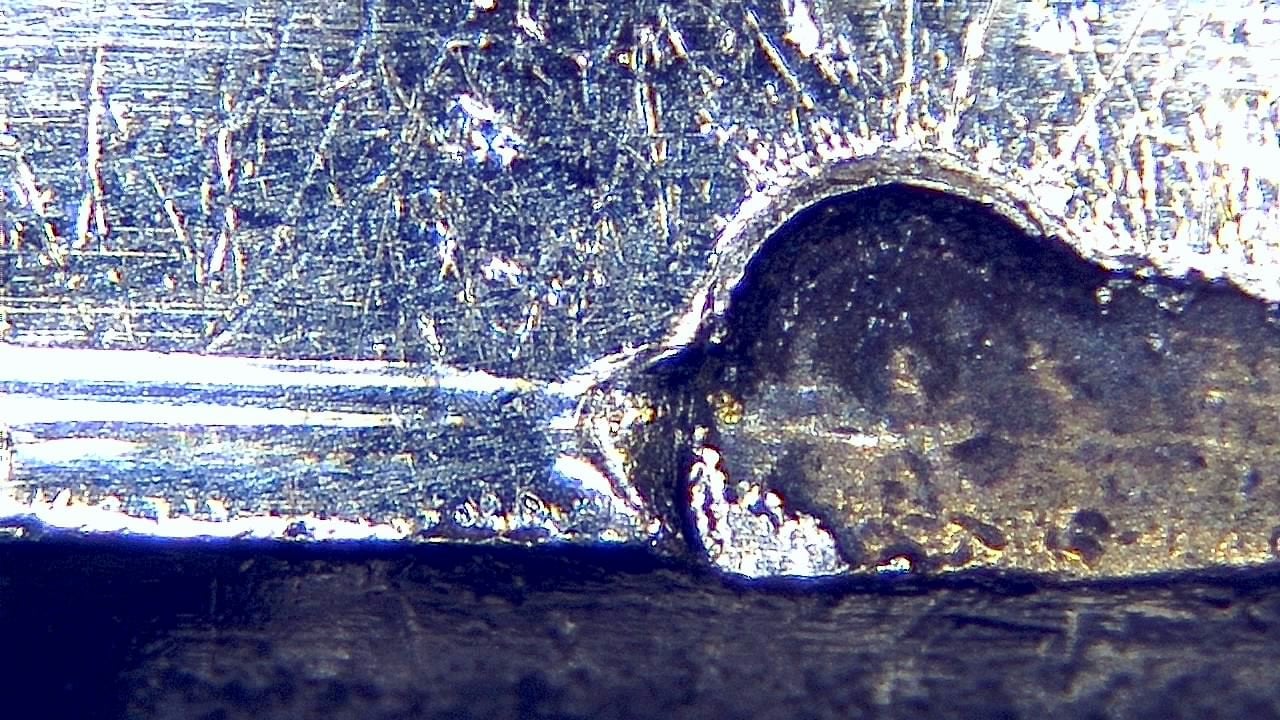
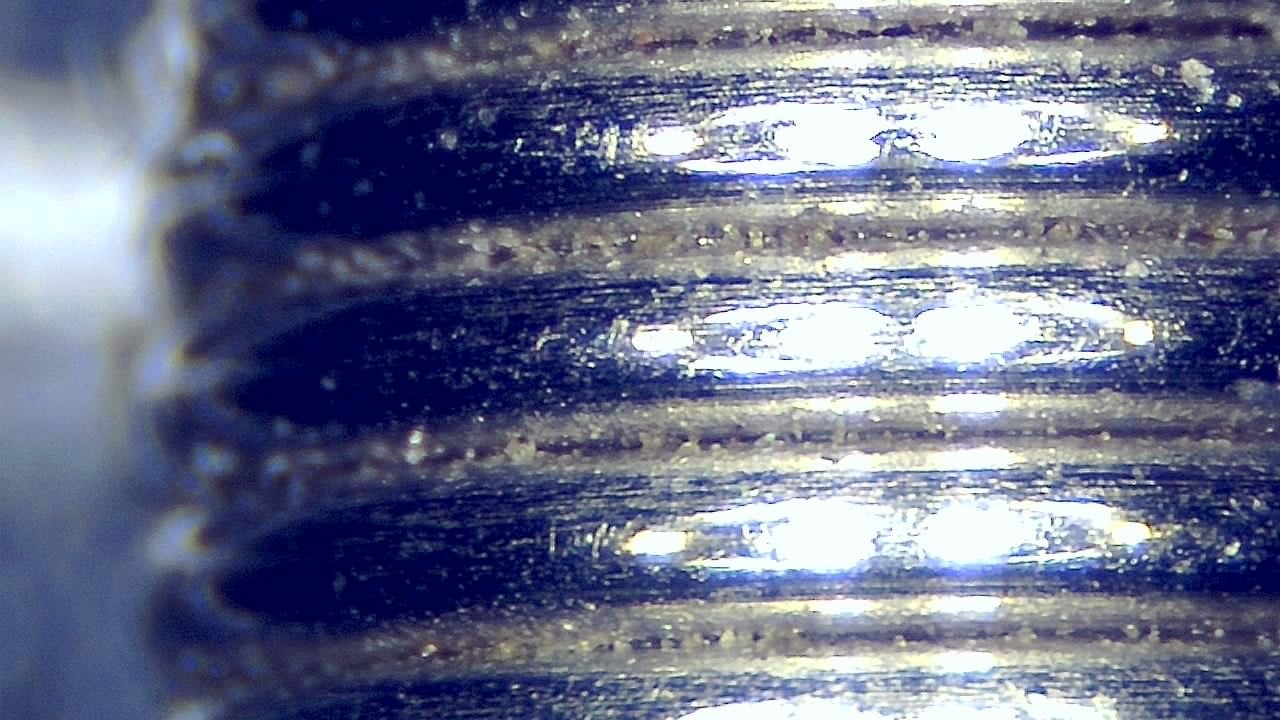
- Fibers, surface marks, scratches, paper texture, ink edges, and material transfer.
- Visible differences between materials or surfaces for documentation and comparison.
- Images for reports, case notes, training, or expert review.
Typical workflow
- 1Prepare the sample using the required evidence-handling procedure.
- 2Capture an overview image before close-up inspection.
- 3Document magnified details with sample ID, location, and operator notes.
Key benefits
- Magnified viewing of visible surface and tool marks
- Documentation of accessible fibers, hairs, and particles
- Close-up capture of paper, print, and ink-stroke details
- Reference photography for qualified forensic workflows and training
- Portability for scene and lab use
Best for
- Forensic training, surface documentation, lab support, and field-adjacent visual inspection.
Not ideal for
- Replacing accredited forensic analysis, evidentiary interpretation, or destructive lab methods.
Image gallery
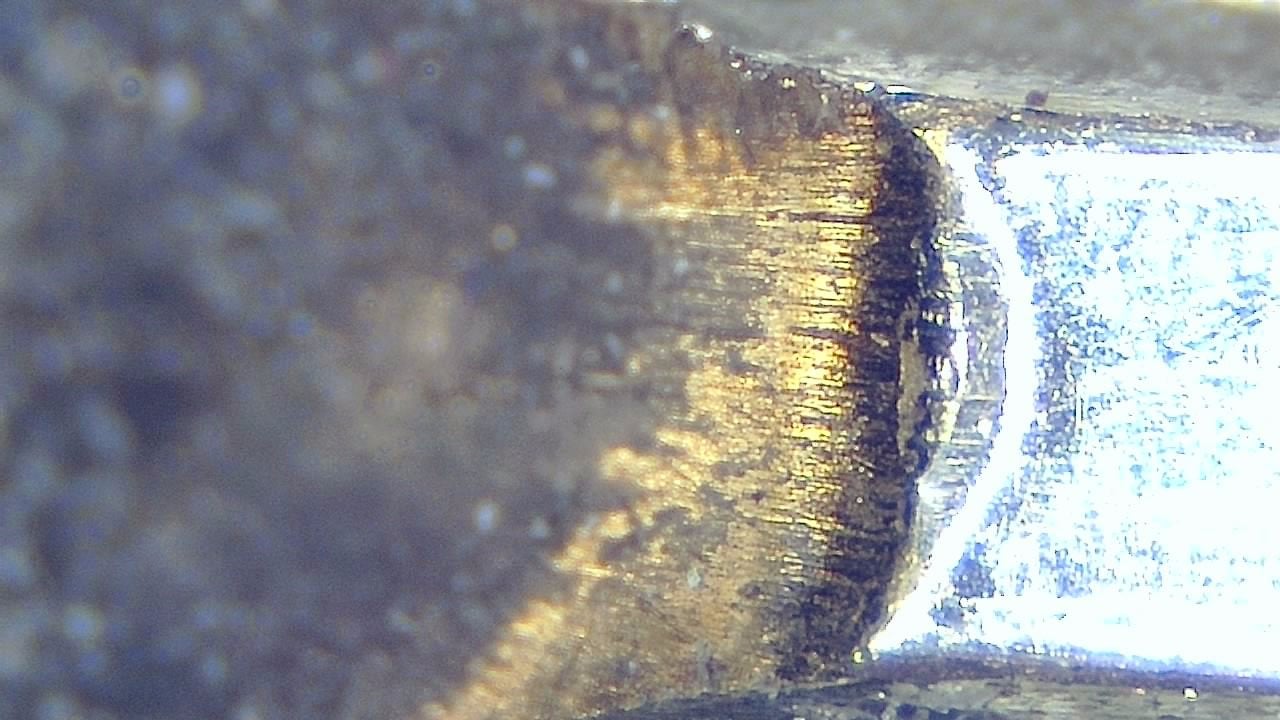
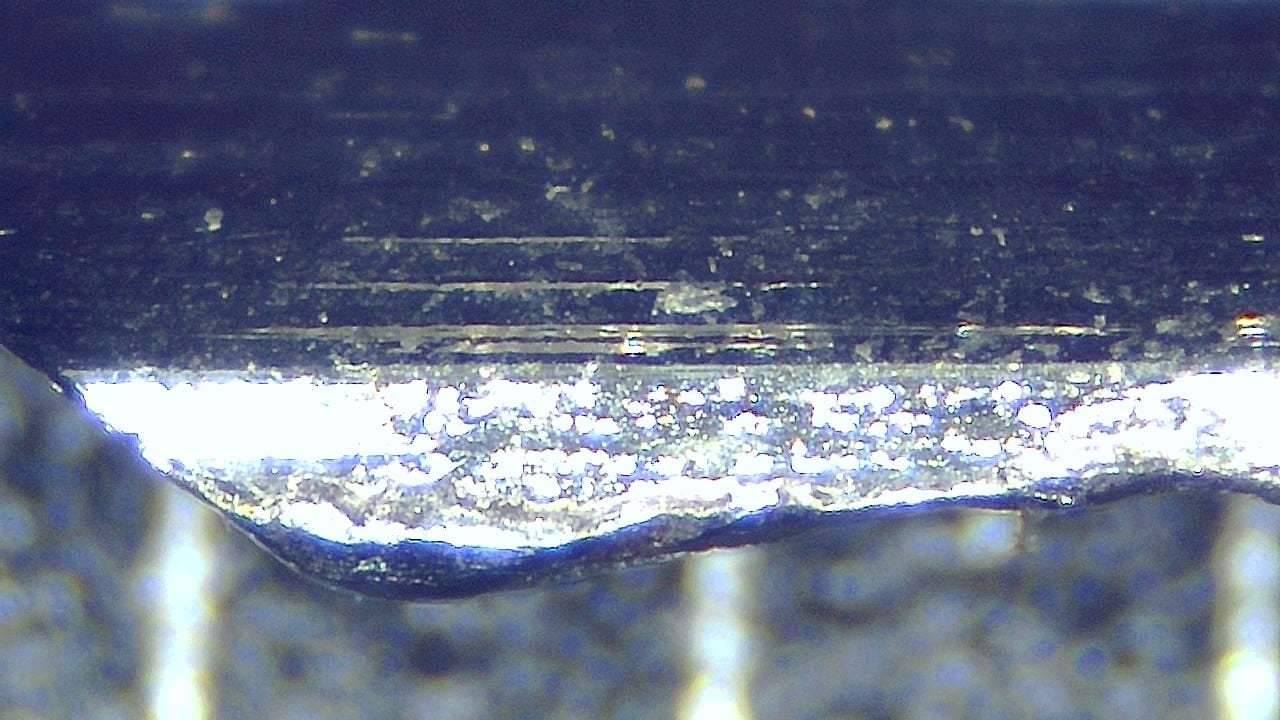
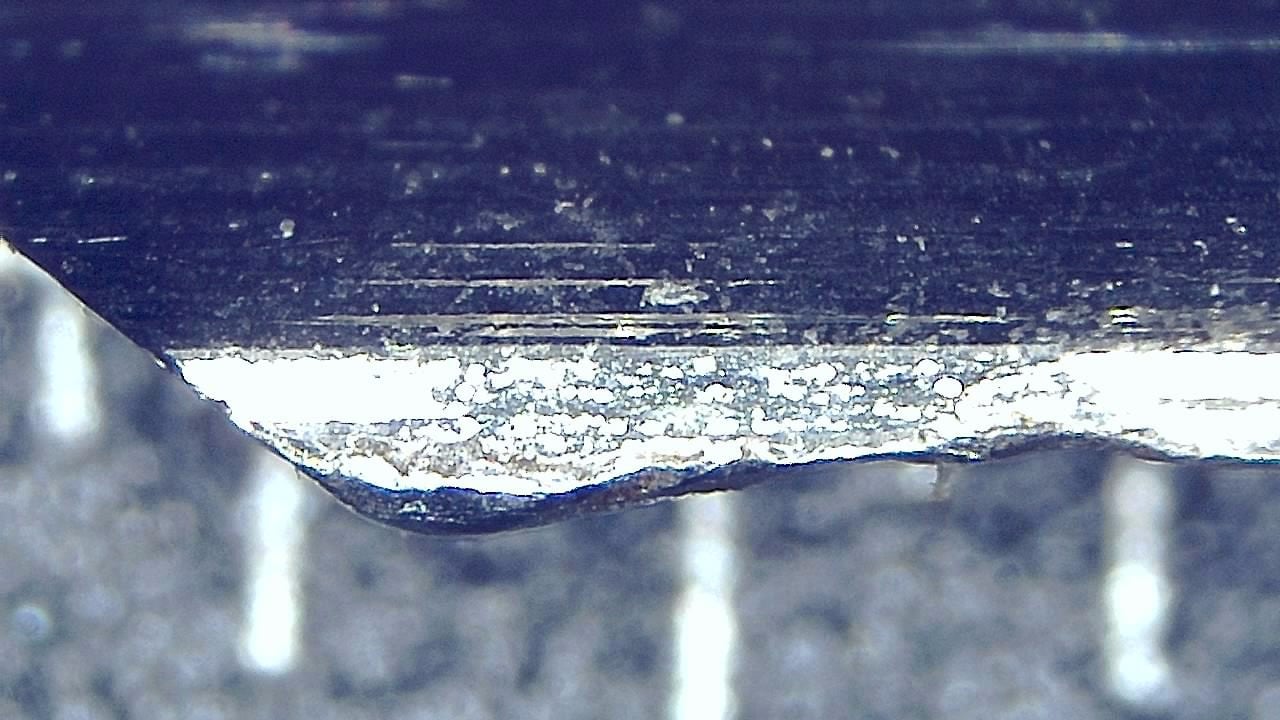
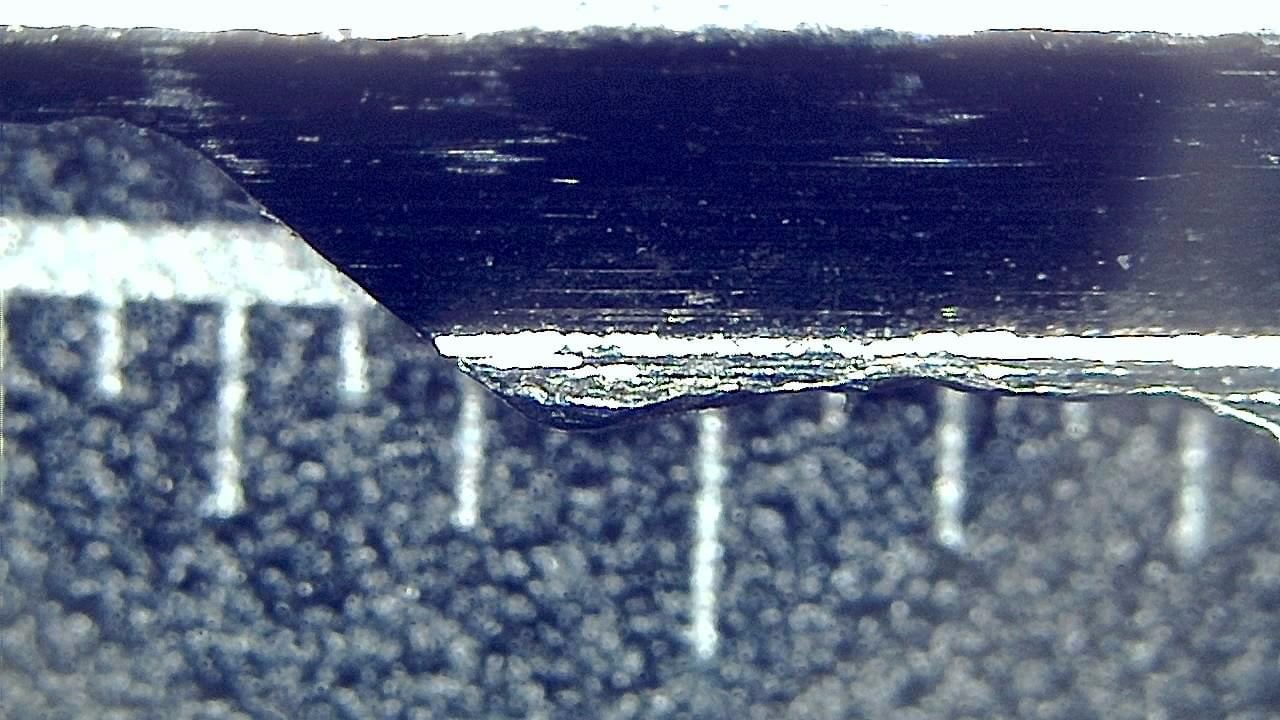
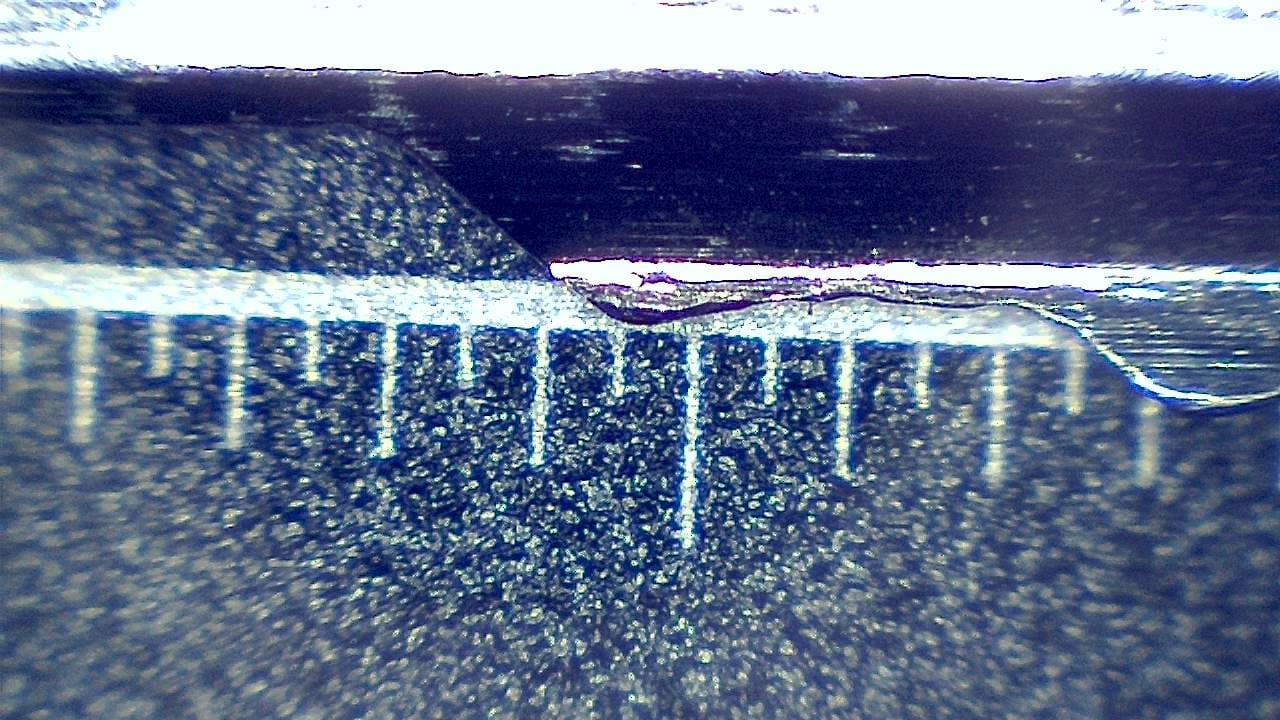
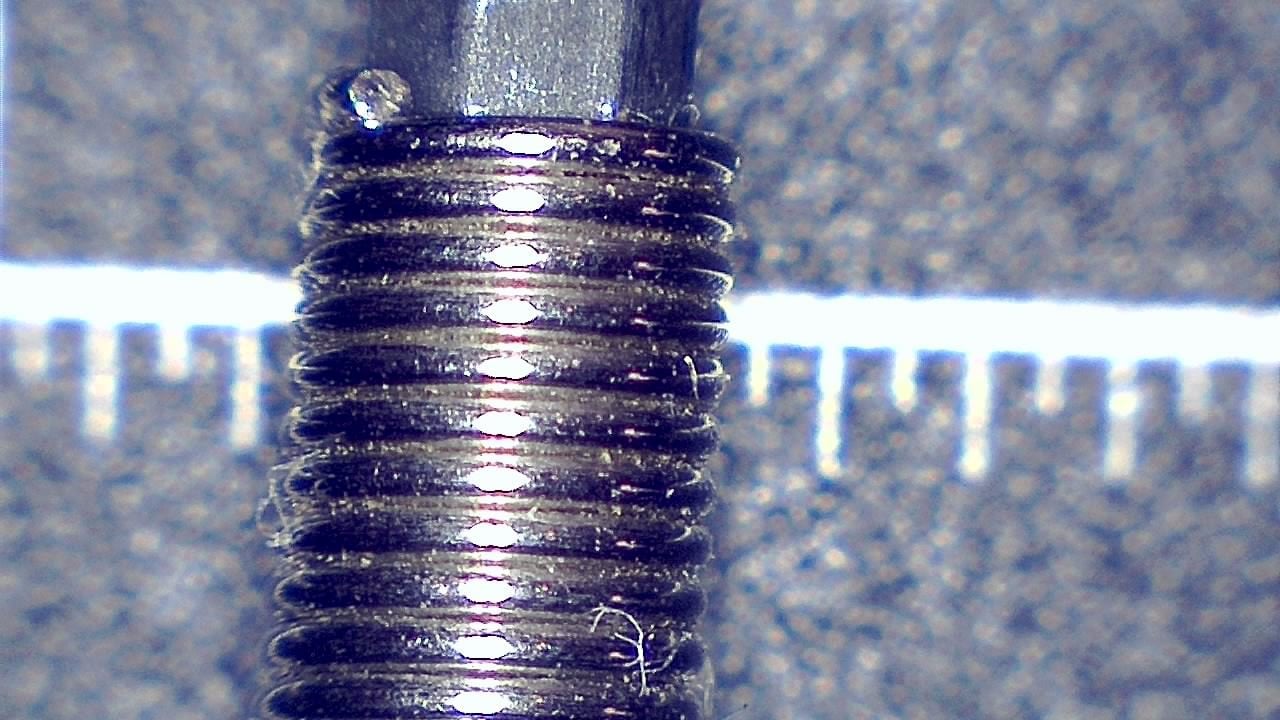
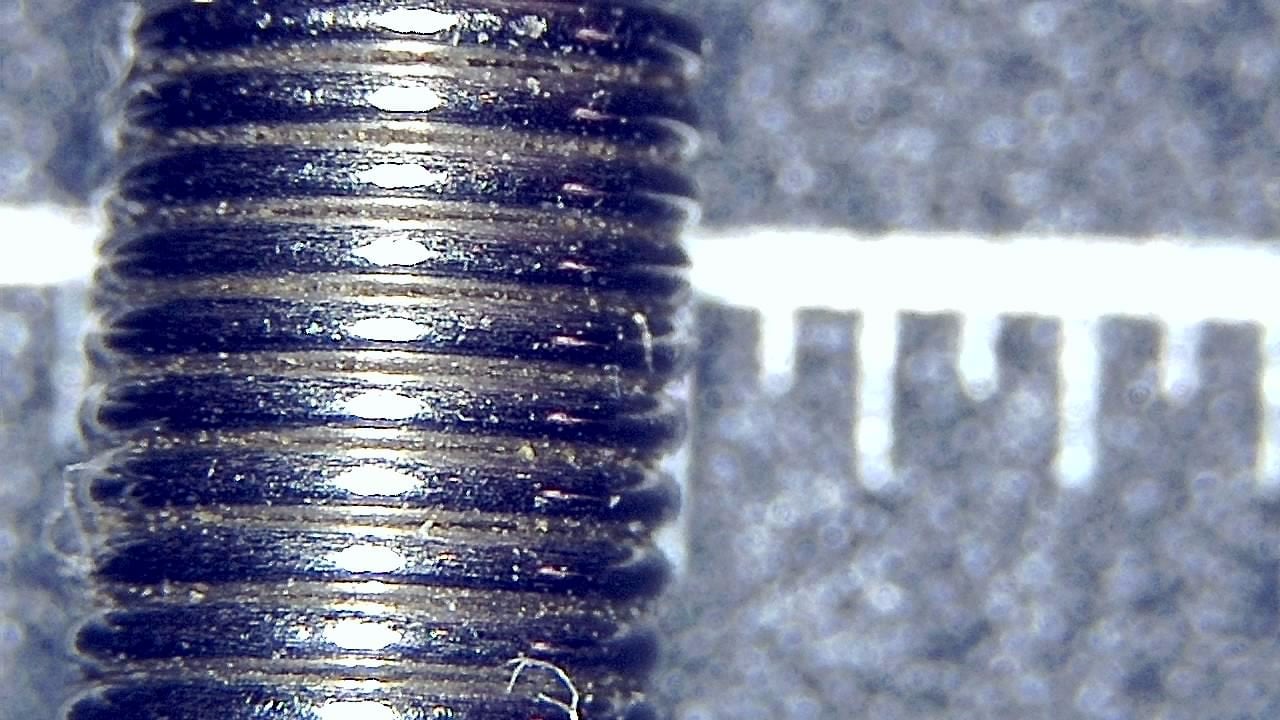
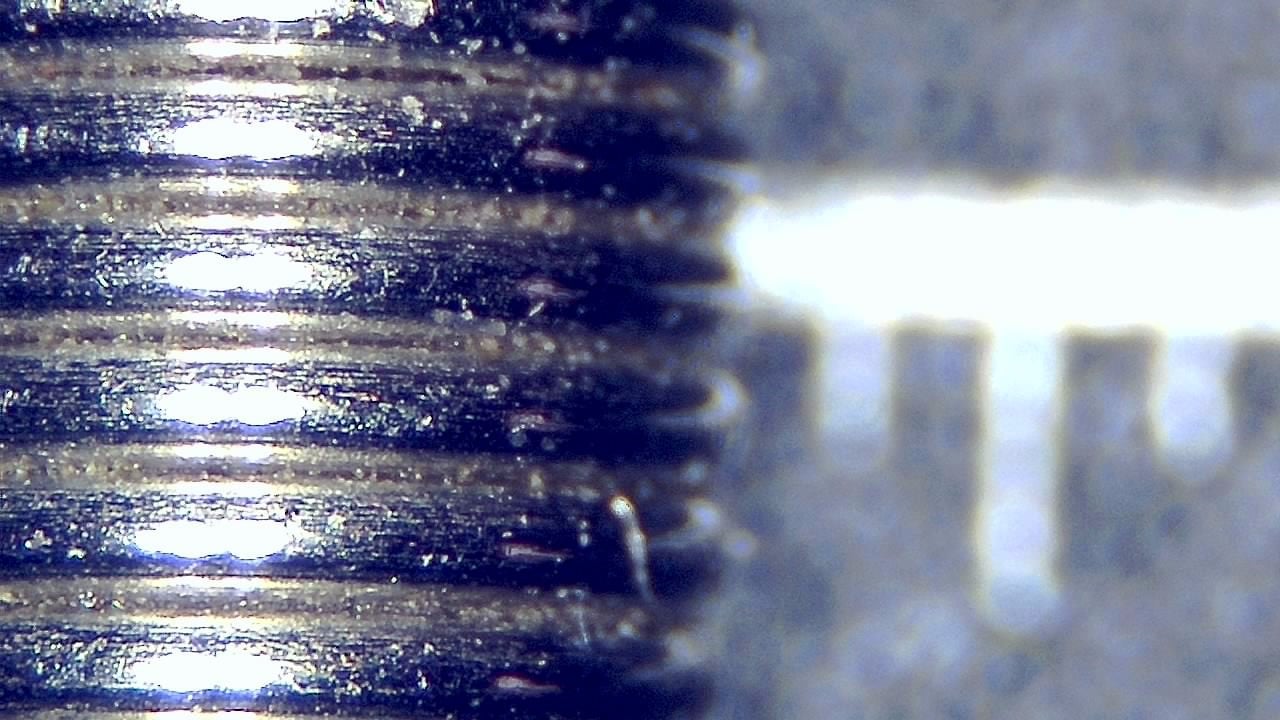
Click any image to enlarge
Practical examples
Toolmark comparison
A qualified examiner photographs visible marks on a lock and a reference tool for preliminary documentation; any formal comparison uses validated forensic methodology and suitable instrumentation.
Document-detail documentation
A forensic document examiner captures close-up images of paper and ink-stroke details as a reference, without treating the microscope image alone as proof of alteration.
Limitations & best practices
- Findings must be integrated into a rigorous forensic methodology.
- Maintain chain of custody for examined evidence.
- Chemical or genetic analysis requires complementary techniques.
Frequently asked questions
Can Smart G-Scope be used for forensic documentation?
It can support magnified visual documentation of surfaces and traces, but evidentiary interpretation and admissibility depend on qualified procedures and local requirements.