Professional USB microscope · Geology
Portable USB Microscope for Geology Samples and Field Observation
Inspect mineral surfaces, grains, textures, weathering, and field samples with portable image capture.
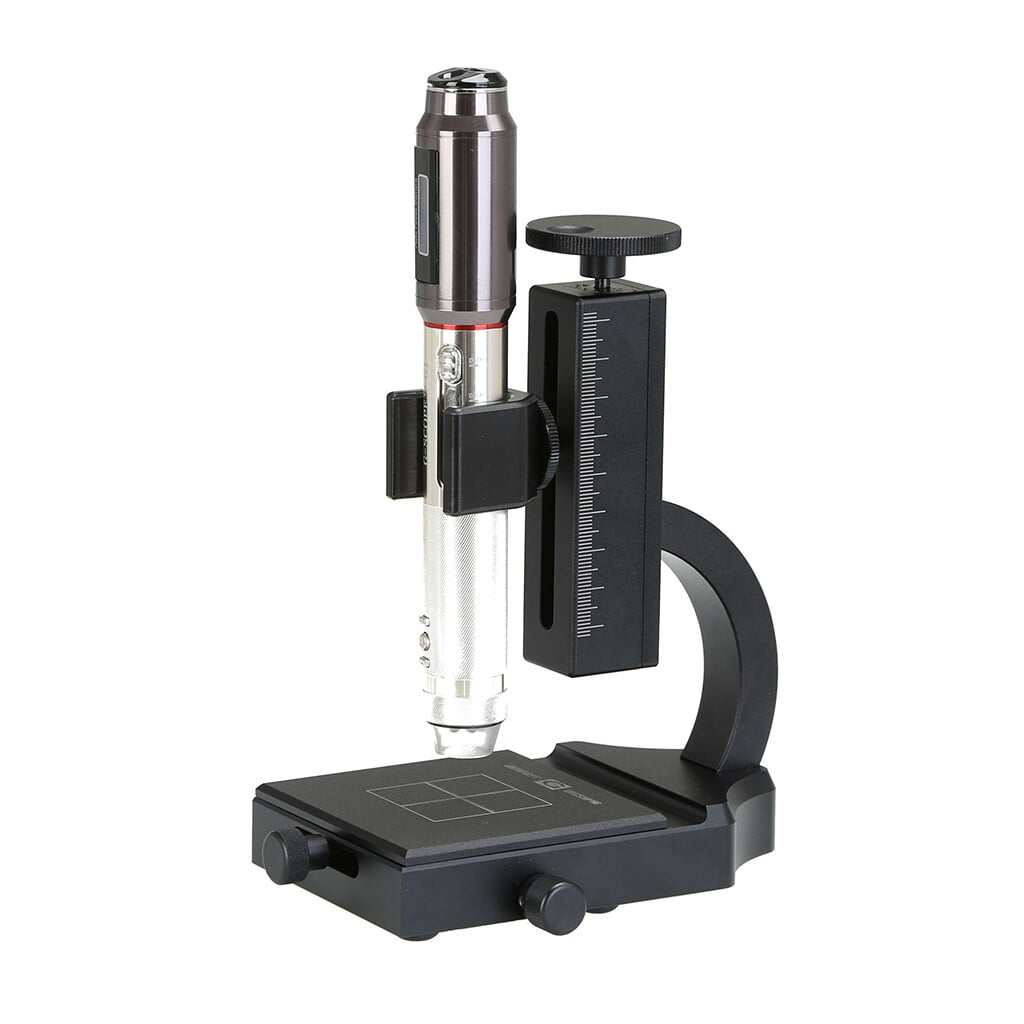
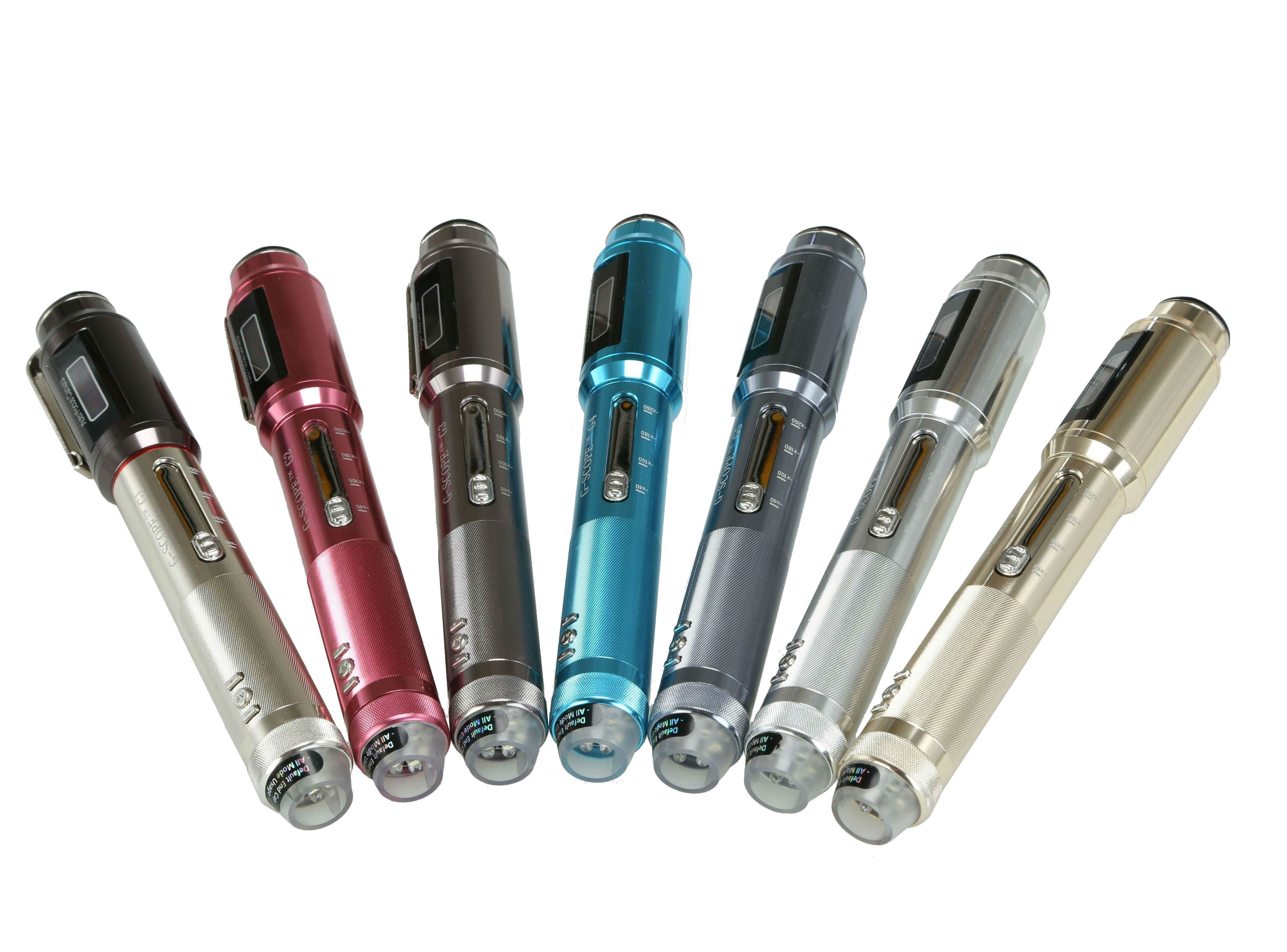
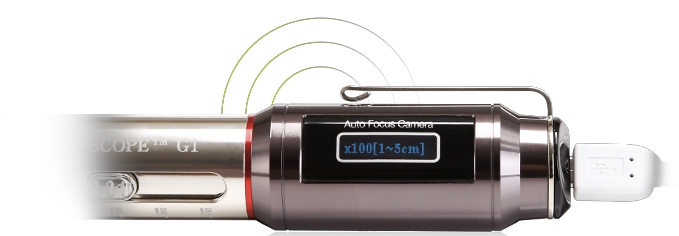
- Four quick magnification levels40x, 100x, 180x and 250x with the general inspection end-cap
- 3Pi narrow-tip end-cap100x access to small or recessed areas that remain in direct line of sight
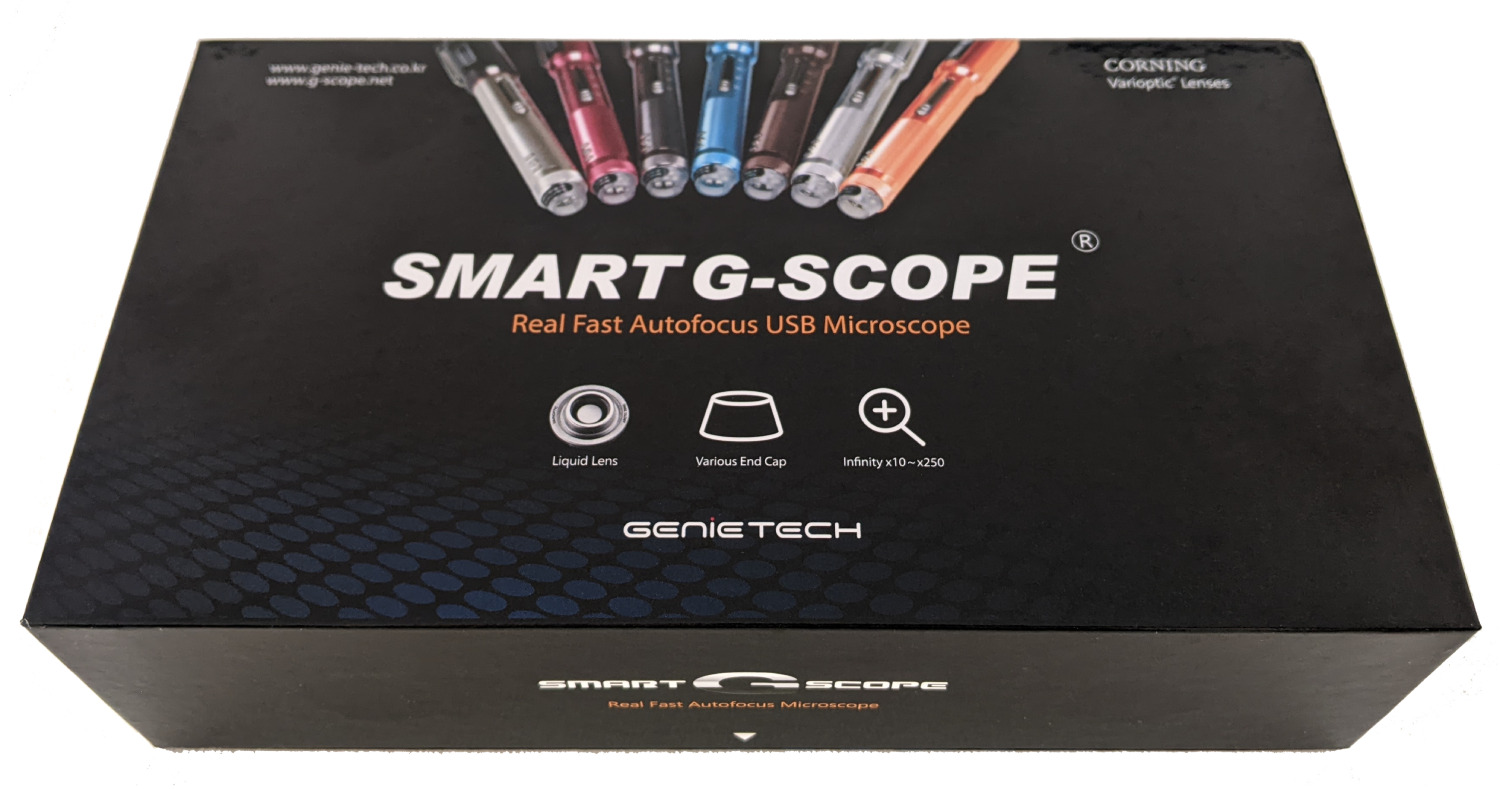
- Quality optics, autofocus + Full HDCorning® Varioptic® liquid lens, photos and 30fps video
- Professional European supportShips from Spain with a two-year warranty
Overview
Geologists and mineral collectors will find Smart G-Scope a practical tool for preliminary sample examination in the field and in the lab. It helps observe textures, fractures, inclusions, and crystal relationships at magnifications useful for macroscopic identification.
Photographic documentation supports cataloging collections, preparing exploration reports, and communicating with other specialists or customers.
In geology teaching, it is suitable for hand specimens and exposed surfaces that benefit from magnified viewing. Transmitted-light thin-section analysis and optical mineral identification require a petrographic microscope.
Recommended Smart G-Scope setup
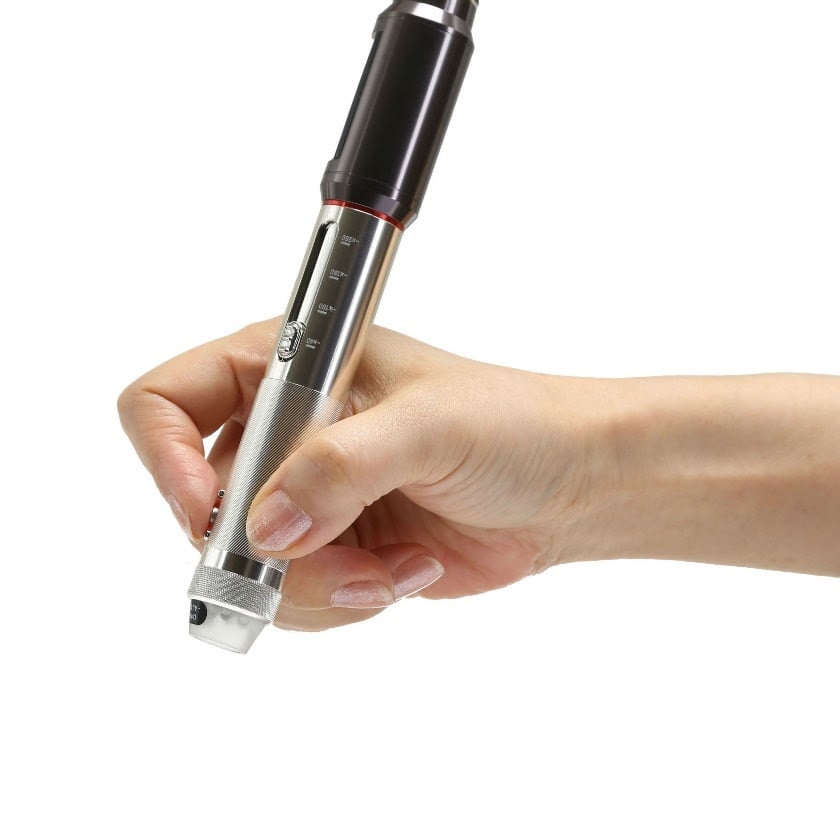
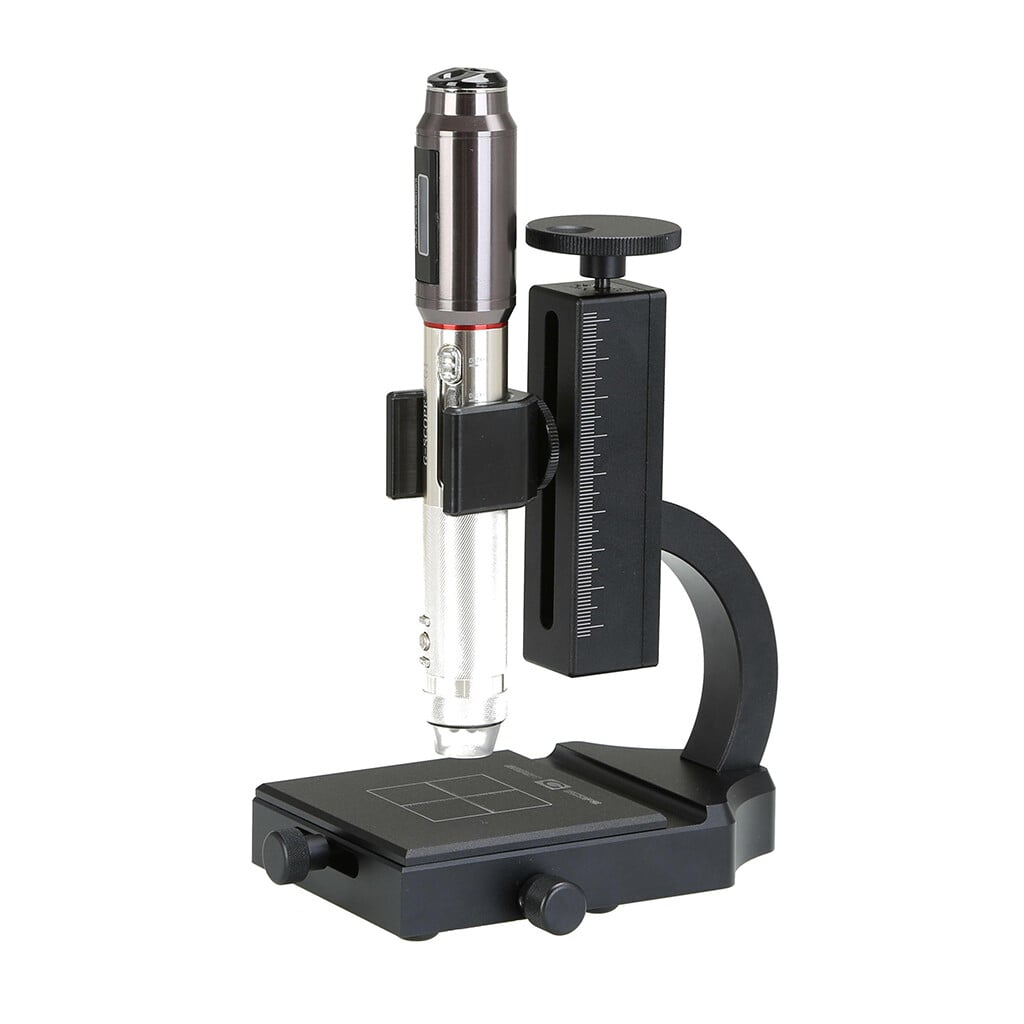
- Use a stable stand for lab documentation or handheld use for quick field notes.
- Adjust lighting angle to reveal relief, grains, cleavage, or surface texture.
- Capture images with sample IDs and location notes for later comparison.
What you can observe
- Mineral surfaces, grains, fracture patterns, weathering, and surface inclusions.
- Rock textures, sediment particles, sand grains, and teaching samples.
- Visual evidence for field notes, classroom activities, or collection records.
Typical workflow
- 1Clean loose dust where appropriate and place the sample securely.
- 2Use angled light to reveal texture and relief.
- 3Capture images with sample ID, scale reference when available, and observation notes.
Key benefits
- Documentation of visible mineral and rock textures for preliminary review
- Sample documentation for cataloging
- Portable use in field and lab
- Observation of inclusions, cleavage, and fractures
- Teaching complement to petrographic microscopy
Best for
- Field geology, teaching labs, collection documentation, and preliminary visual observation.
Not ideal for
- Replacing petrographic or polarizing microscopy when mineral identification requires thin sections or optical mineralogy.
Image gallery
Click any image to enlarge
Practical examples
Mineral exploration fieldwork
An exploration geologist uses Smart G-Scope in the field to examine drill core, documenting textures and mineralization of interest before selecting samples for laboratory analysis.
Collection cataloging
A hobbyist collector documents their mineral collection with detailed images of each specimen, building a visual database shared with other enthusiasts online.
Limitations & best practices
- Advanced optical determinations require a petrographic microscope.
- Clean samples from dust before photographing.
- Use side lighting to better highlight textures.
Frequently asked questions
Can Smart G-Scope identify minerals?
It can document visible surfaces, grains, and textures, but definitive mineral identification may require petrographic, chemical, or other specialized methods.