Professional USB microscope · Jewelry/Watchmaking
USB Microscope for Jewelry Inspection and Detail Documentation
Magnified image capture for gemstones, settings, hallmarks, engraving, surface defects, watch parts, and collectible coins.
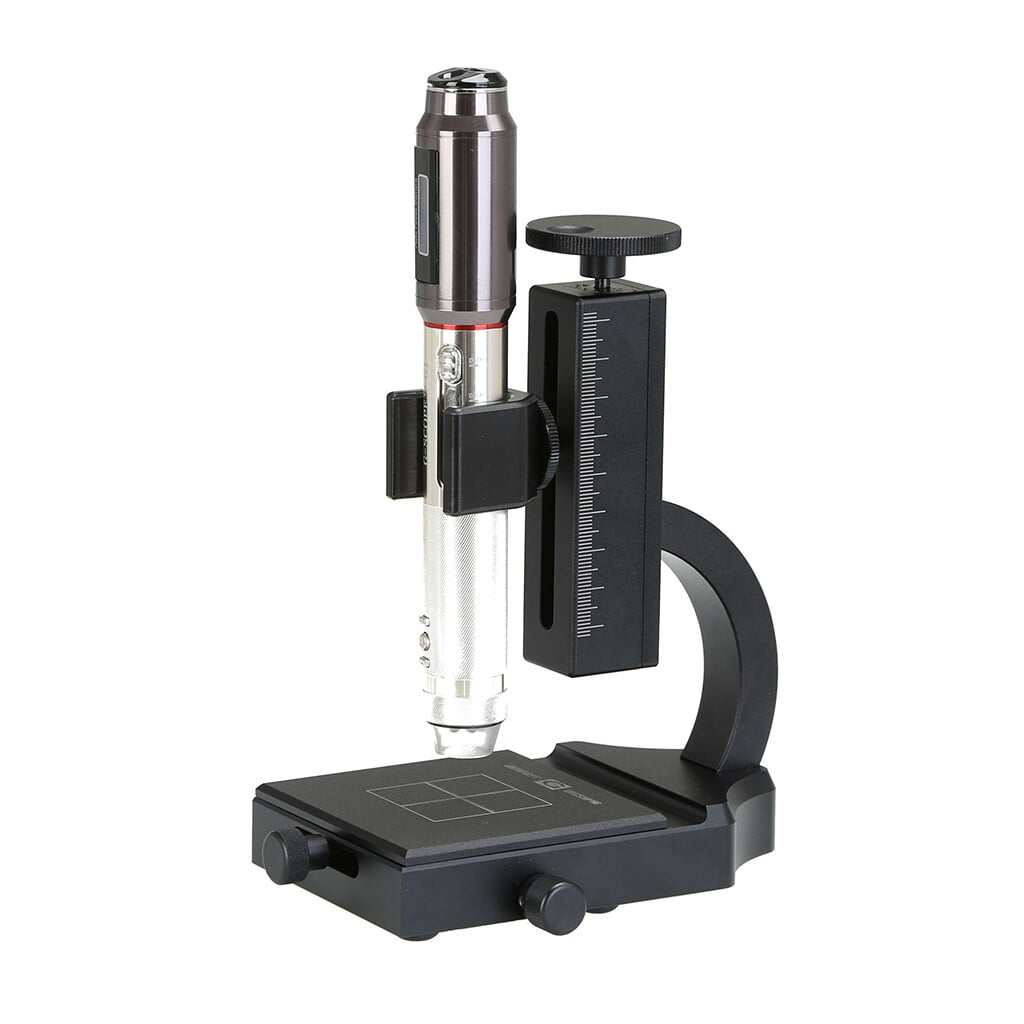
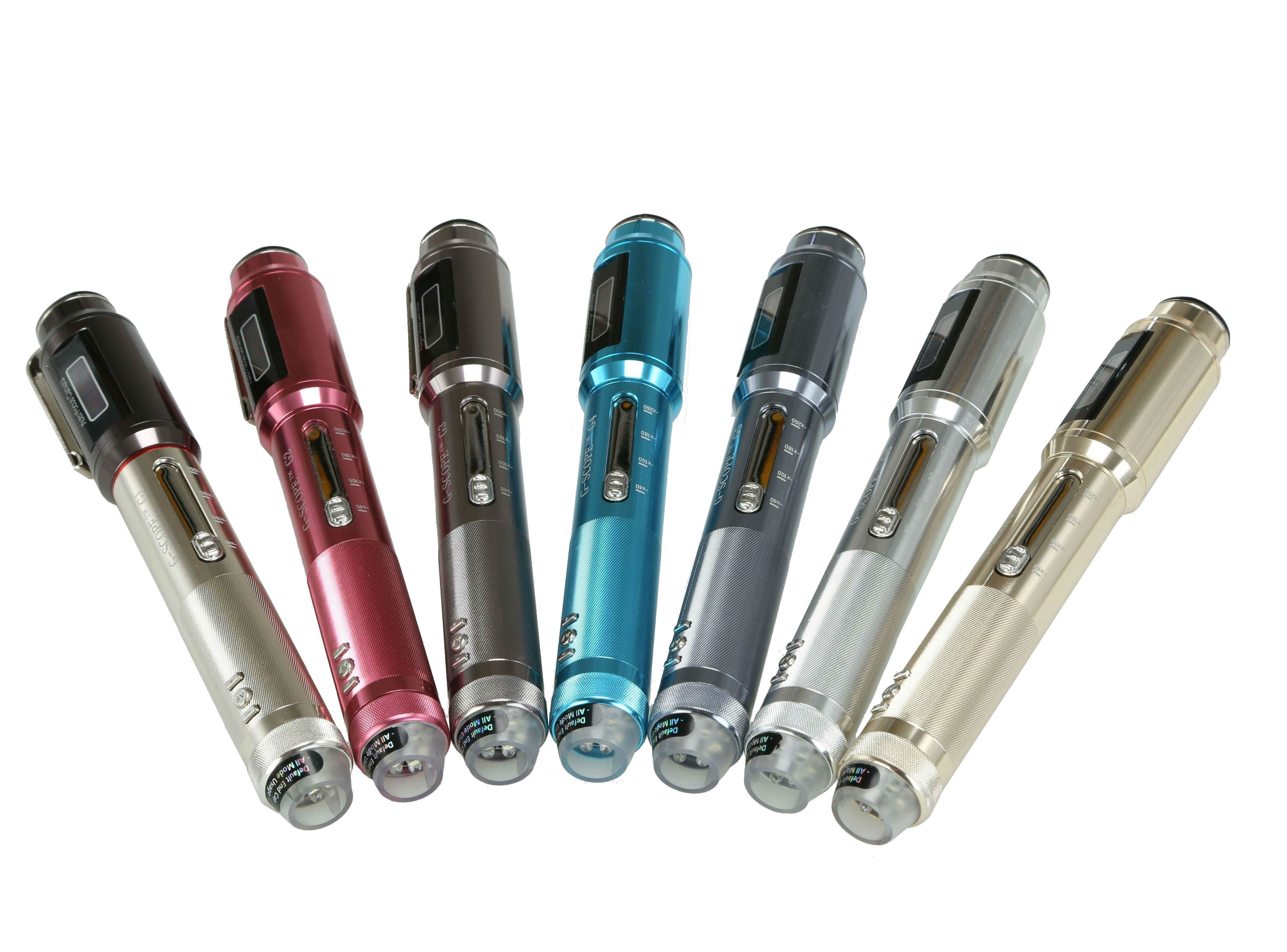
- Four quick magnification levels40x, 100x, 180x and 250x with the general inspection end-cap
- 3Pi narrow-tip end-cap100x access to small or recessed areas that remain in direct line of sight
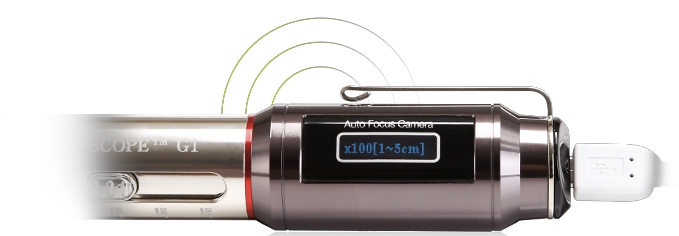
- Quality optics, autofocus + Full HDCorning® Varioptic® liquid lens, photos and 30fps video
- Professional European supportShips from Spain with a two-year warranty
Overview
Precision jewelry and watchmaking require visualization tools capable of revealing microscopic details. Smart G-Scope provides artisans, gemologists, and watchmakers with a versatile solution to inspect settings, soldering, mechanisms, and gemstones.
It can document optically accessible surface inclusions, setting details, scratches, and restoration work. Gem grading, treatment detection, certification, and structural integrity decisions require the appropriate professional instruments and expertise.
In watchmaking, it supports visual inspection of accessible gears, pivots, springs, and small components during service; it does not diagnose a mechanism by itself.
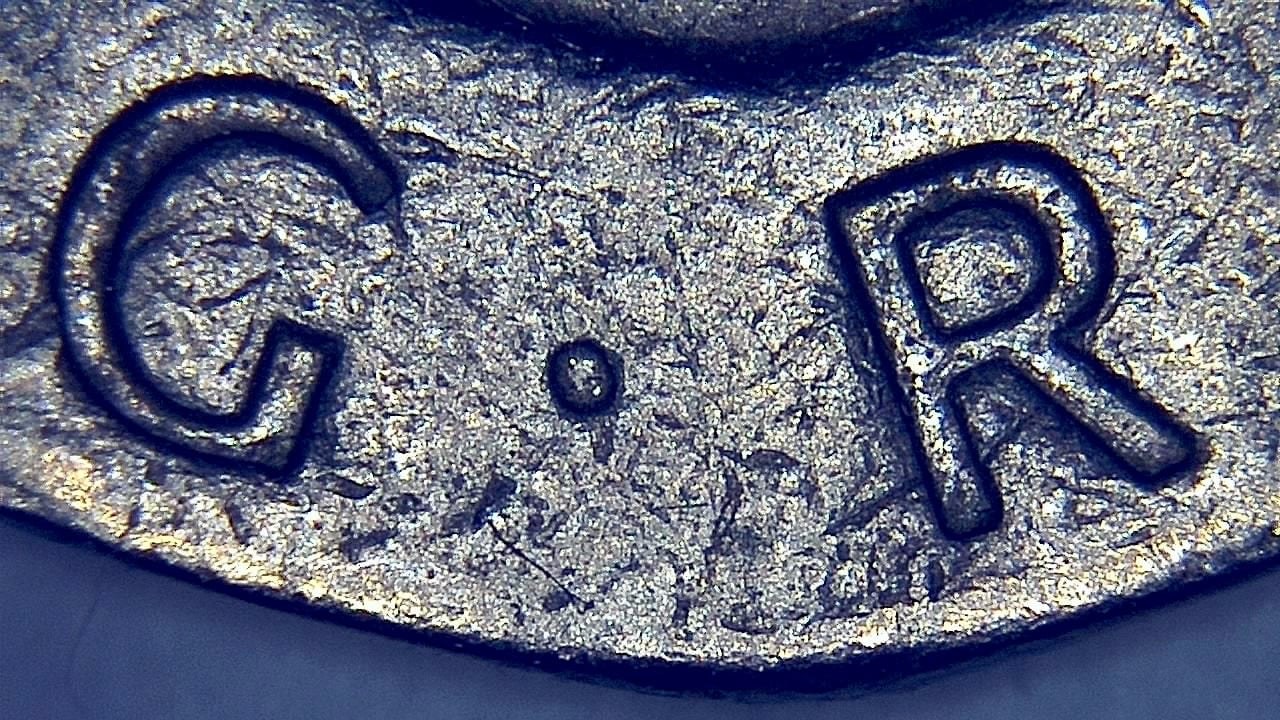
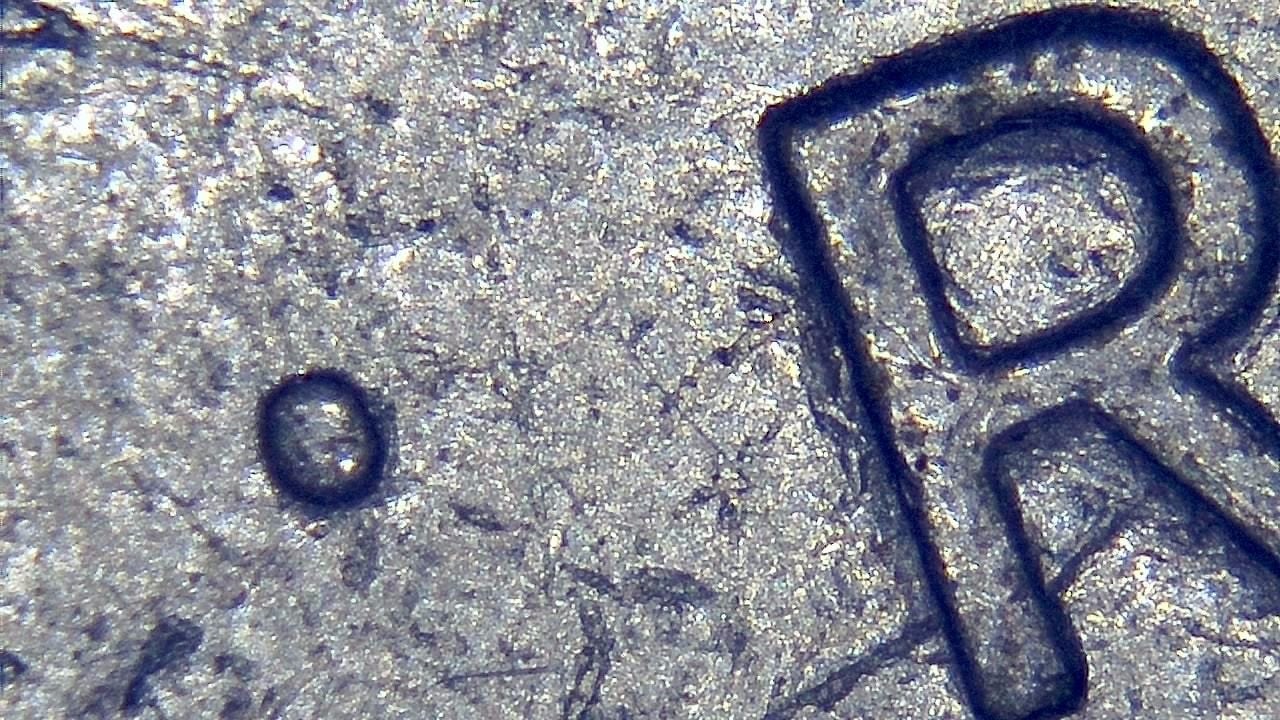
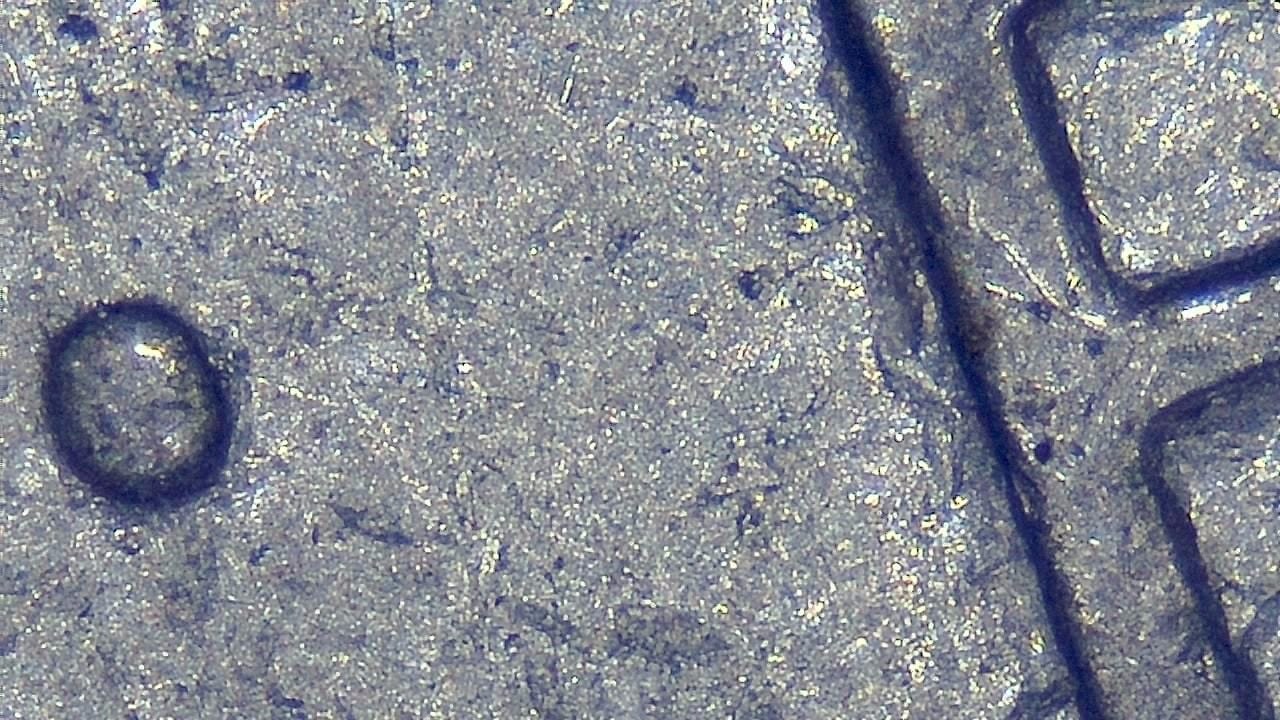
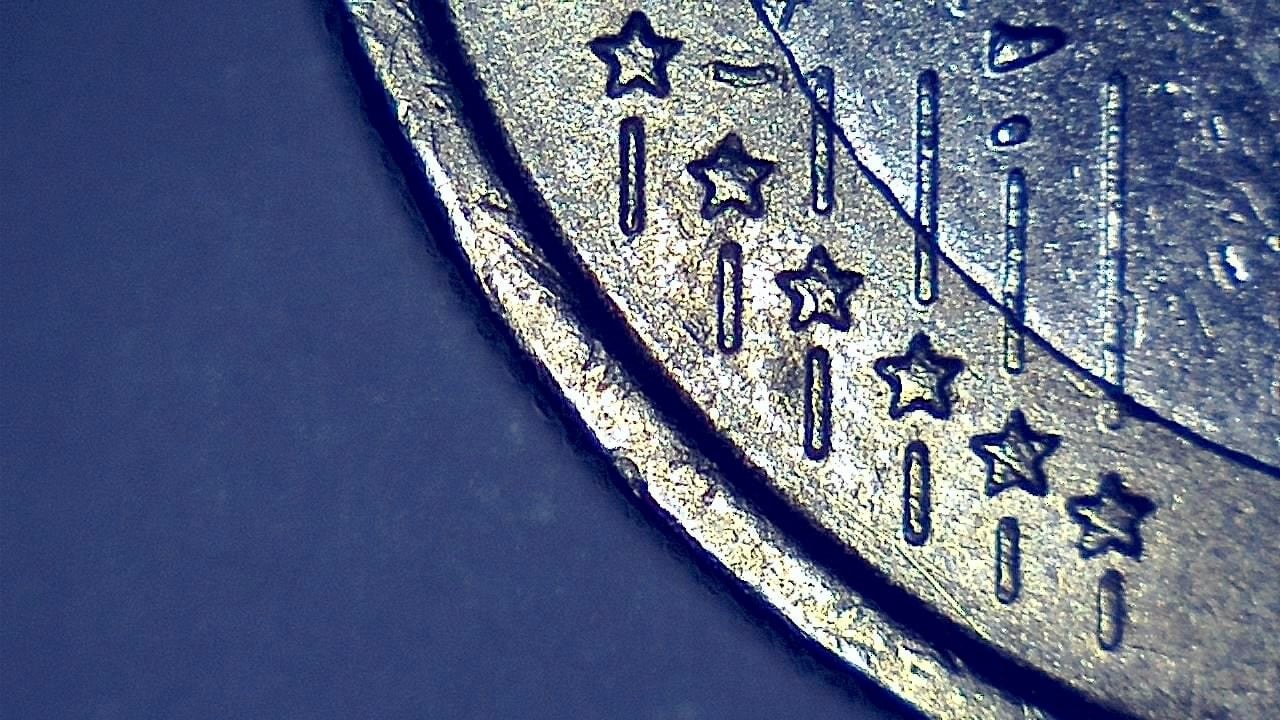
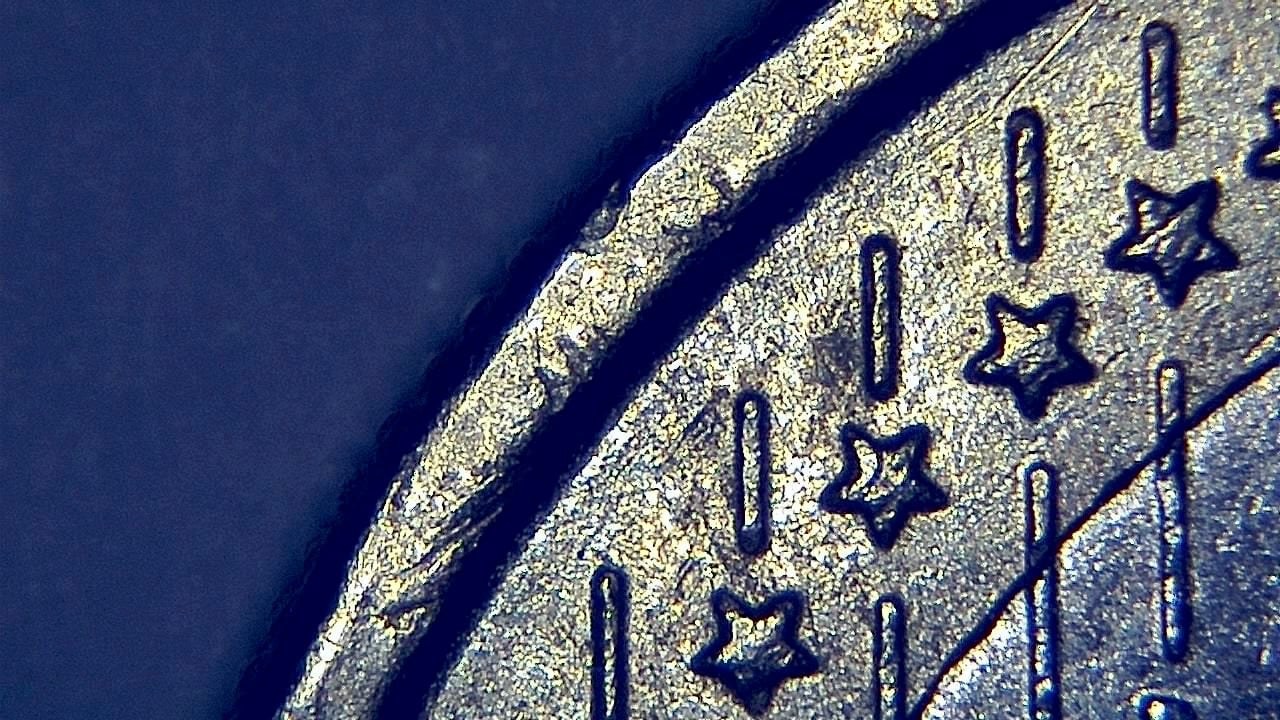
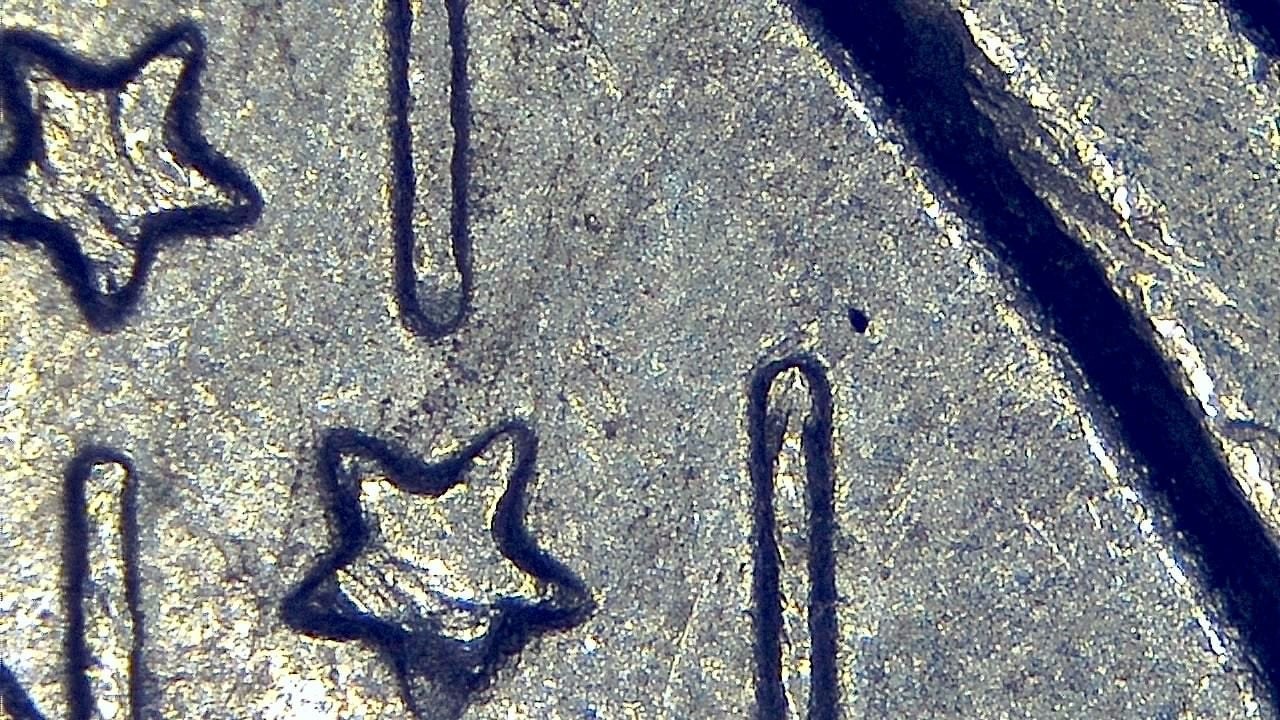
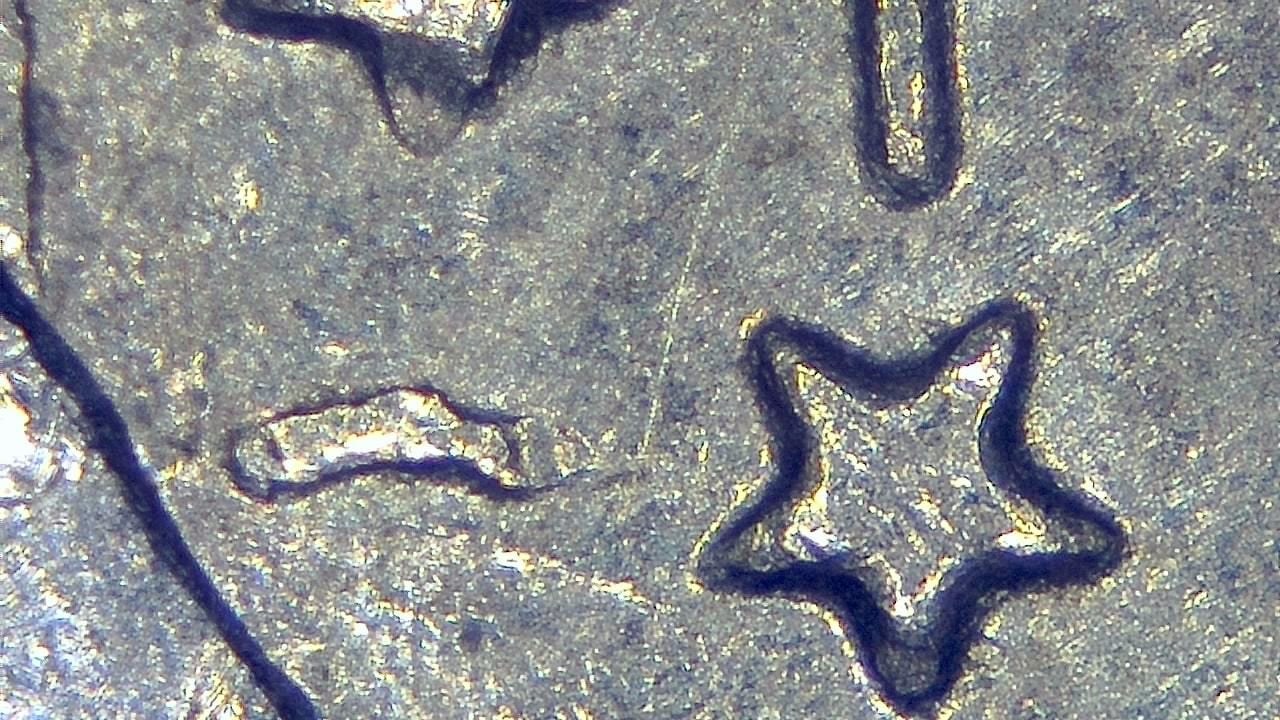
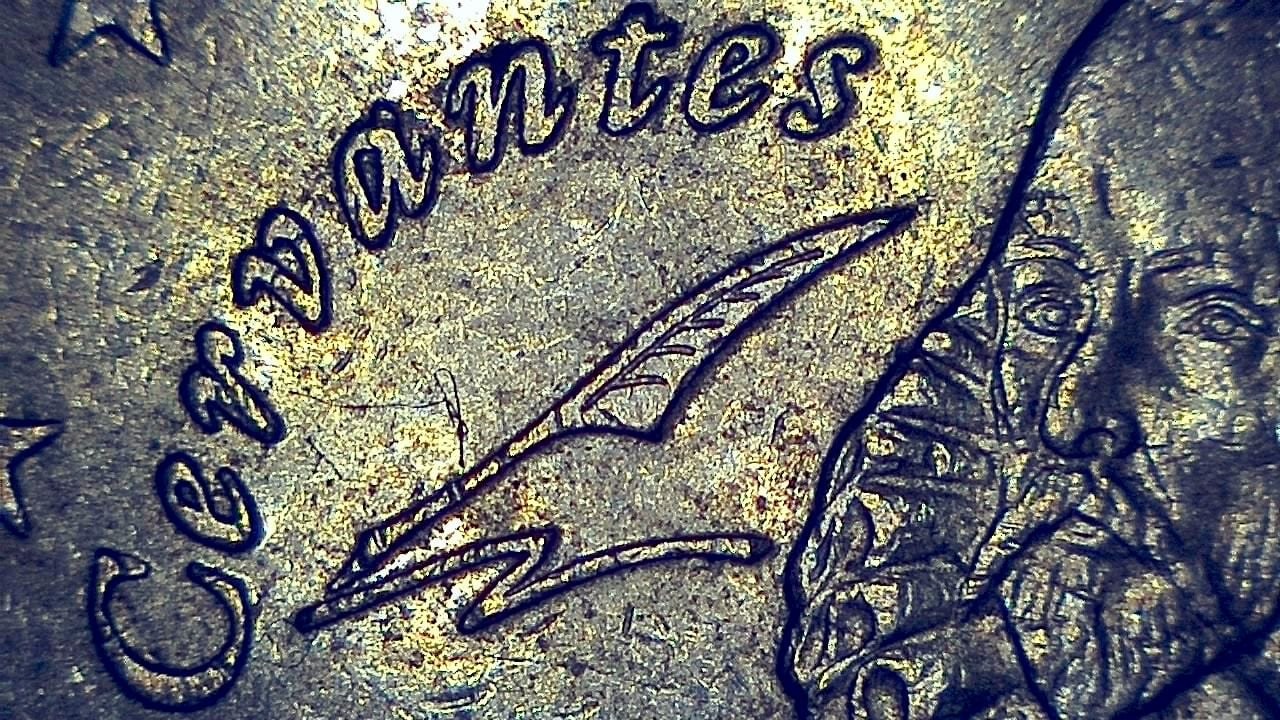
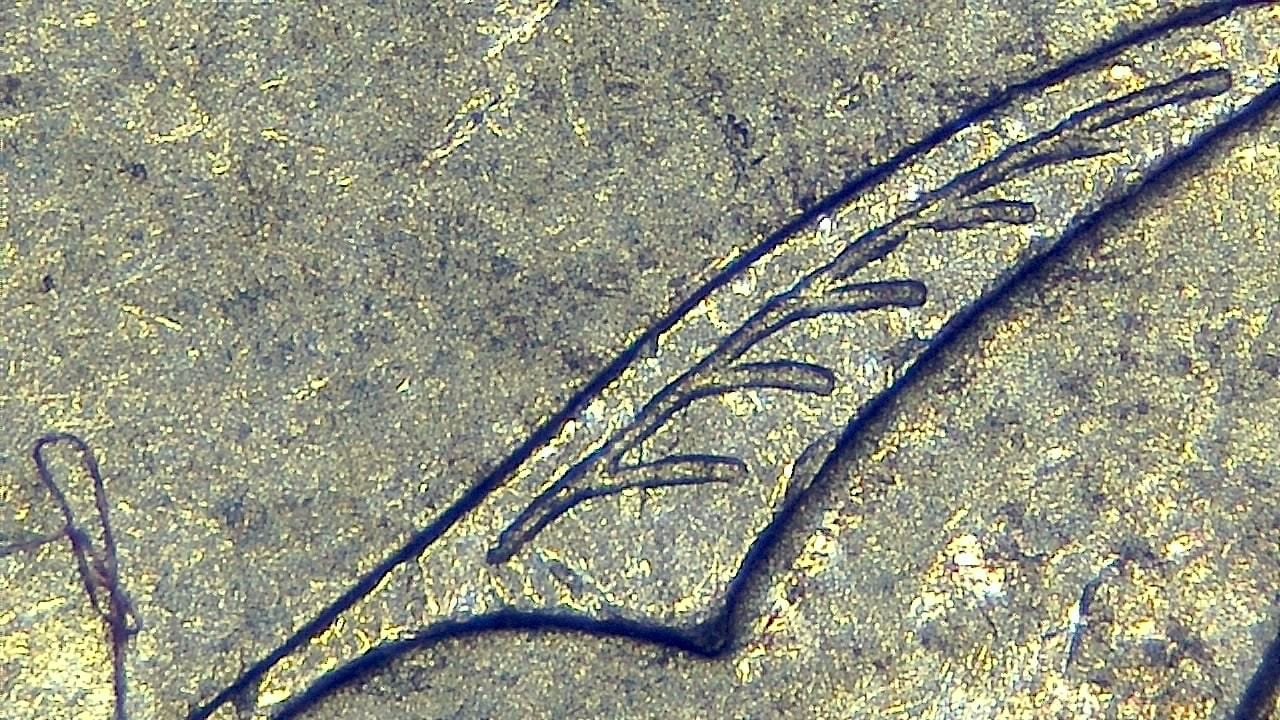
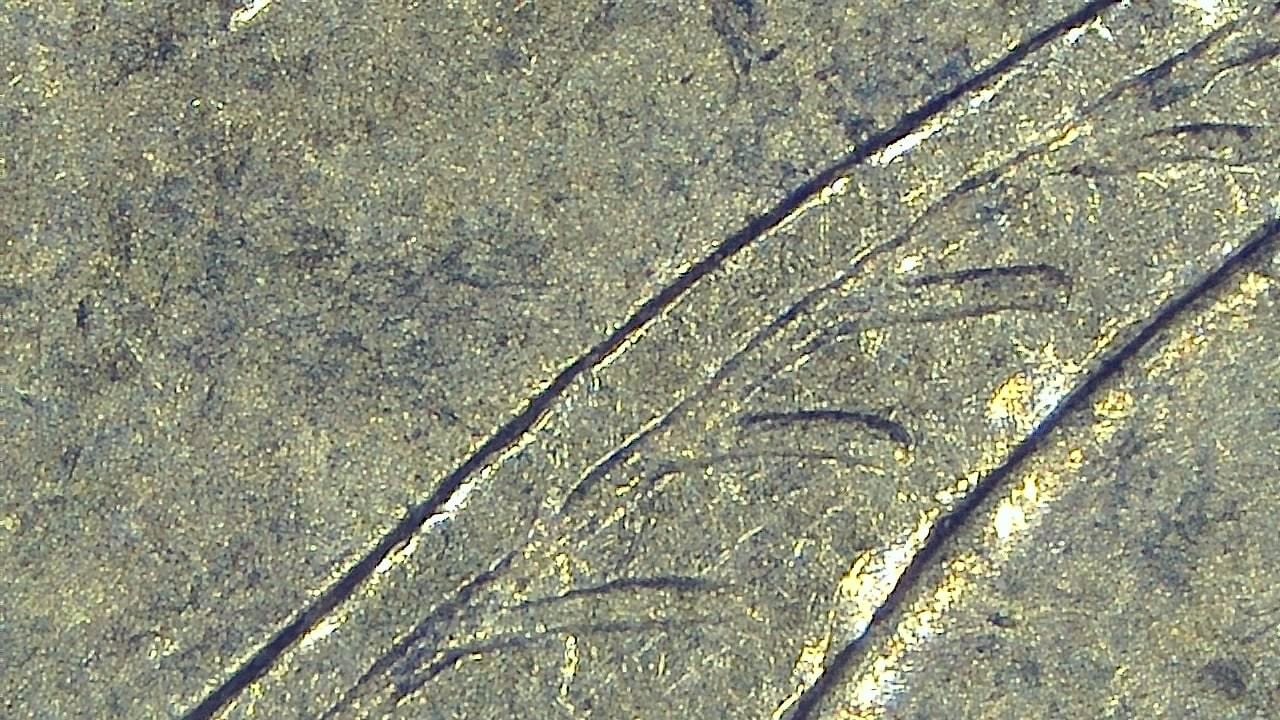
For coins and collectibles, it can record mint marks, scratches, edge details, surface texture, patina, and visible tool marks. Authentication, grading, and provenance conclusions require specialist evaluation beyond these images.
Recommended Smart G-Scope setup
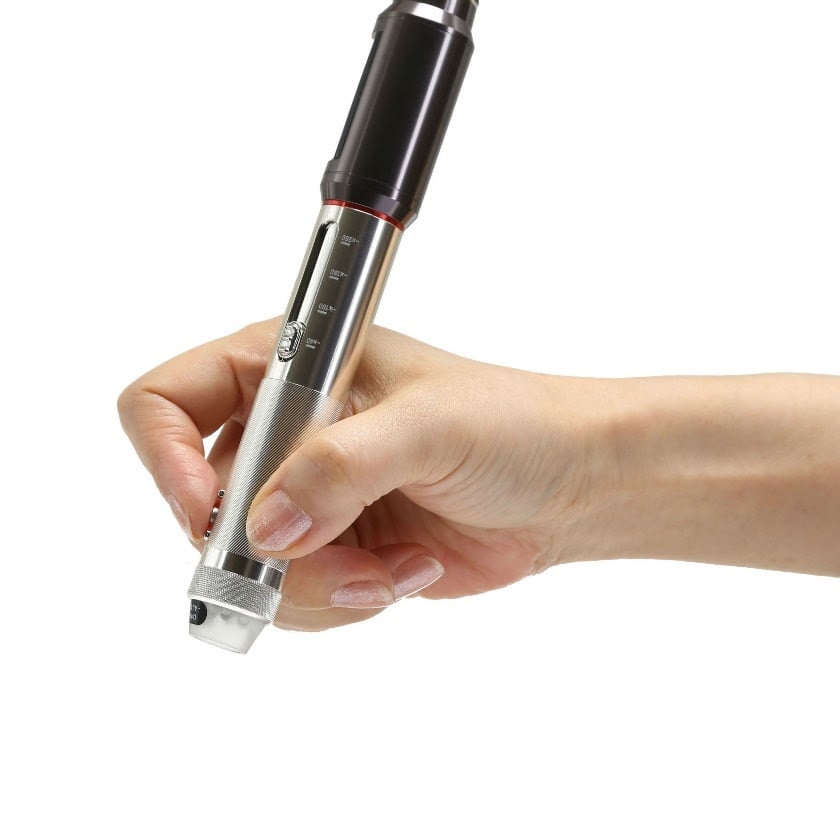
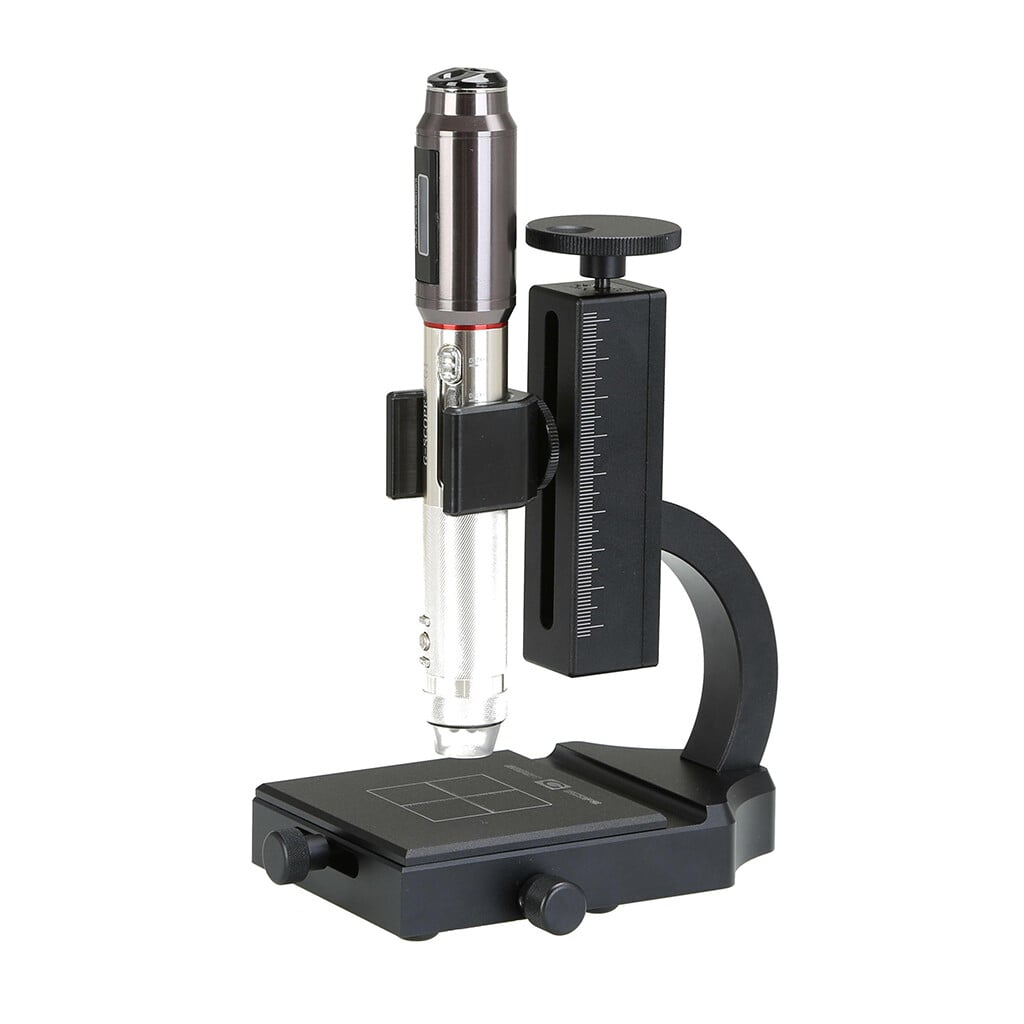
- Use a stand for repeatable bench inspection and client-facing image capture.
- Adjust light angle carefully on reflective metals and polished stones.
- Capture before/after images for repair intake, restoration, insurance, or sales documentation.
What you can observe
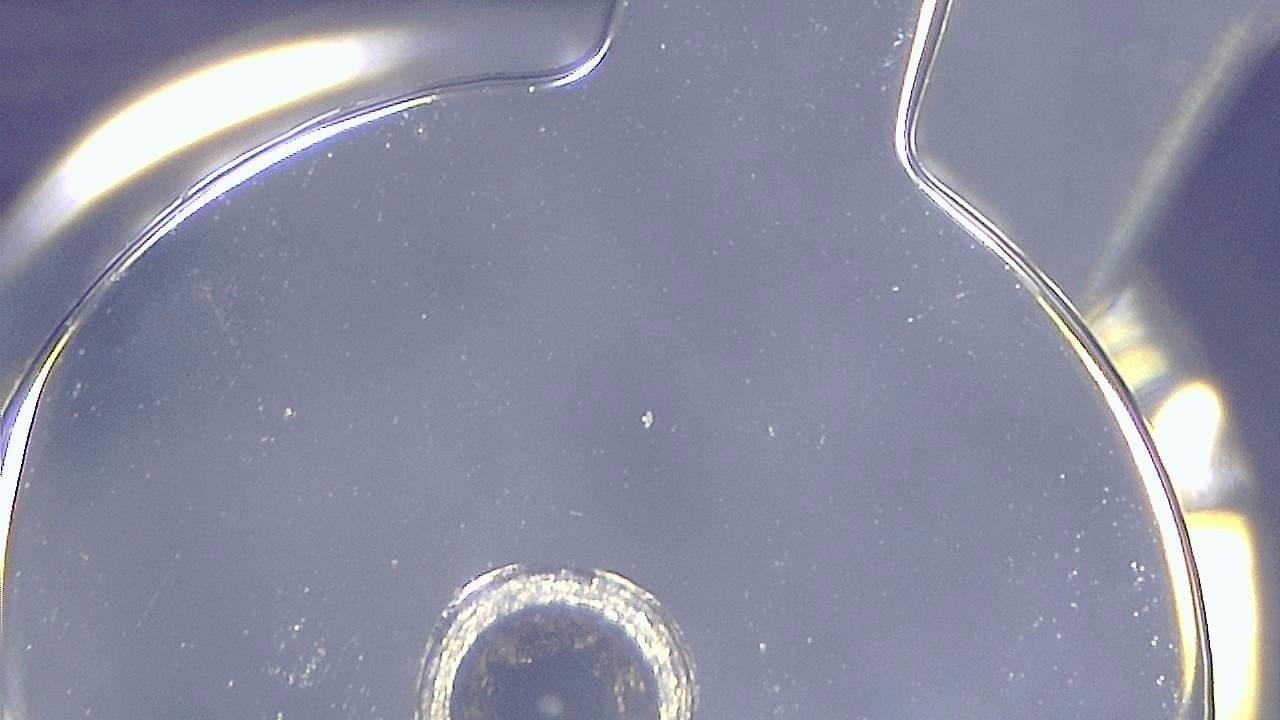
- Prongs, settings, solder areas, engraving, hallmarks, and surface scratches.
- Visible inclusions, chips, fractures, and dirt in stones or settings.
- Watch components, coin details, mint marks, edge features, and surface wear.
Typical workflow
- 1Clean or position the object to reduce dust and reflections.
- 2Capture overview and detail images before repair or valuation work.
- 3Use consistent lighting for before/after documentation.
Key benefits
- Inspection of settings, solder joints, and finishing
- Documentation of optically accessible gemstone and setting surfaces
- Reference images for professional reports and customer communication
- Visual inspection of accessible watch components during servicing
- Before/after documentation of restoration work
- Detailed coin-surface images for specialist condition or authenticity review
Best for
- Jewelers, watchmakers, collectors, appraisers, repair benches, and customer communication.
Not ideal for
- Replacing gemological laboratory instruments when refractive index, spectroscopy, or advanced analysis is required.
Image gallery
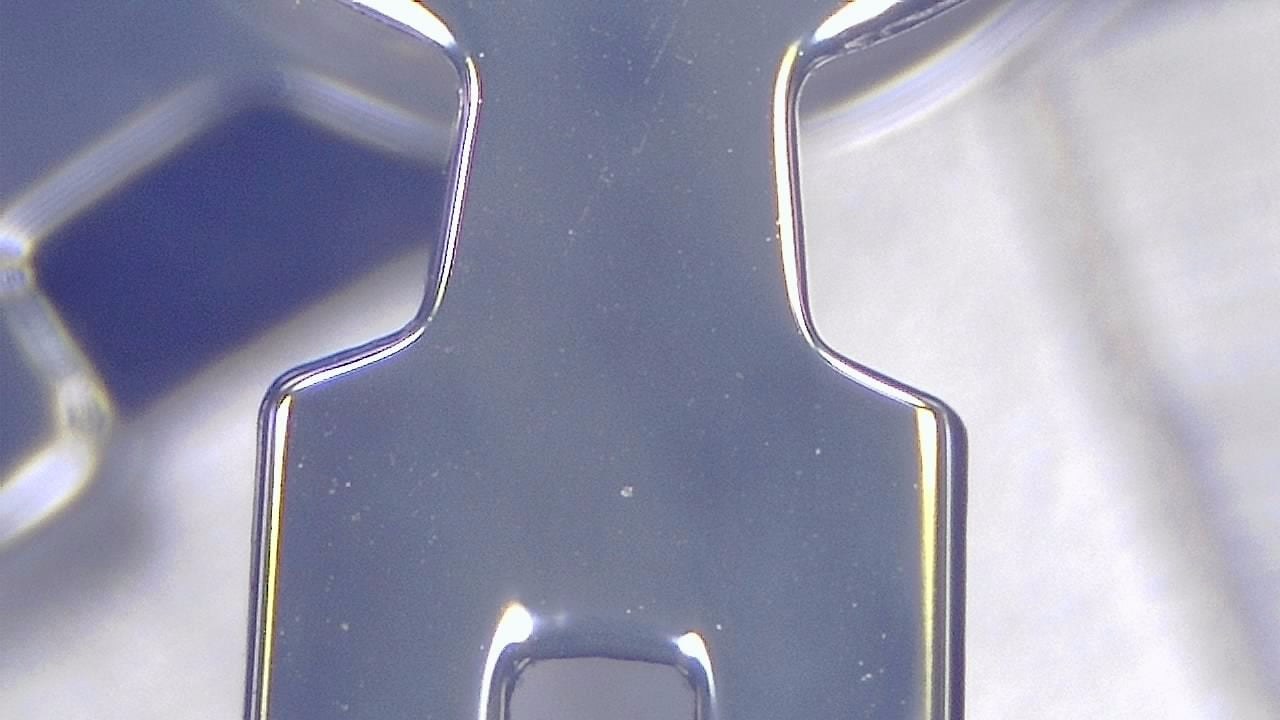
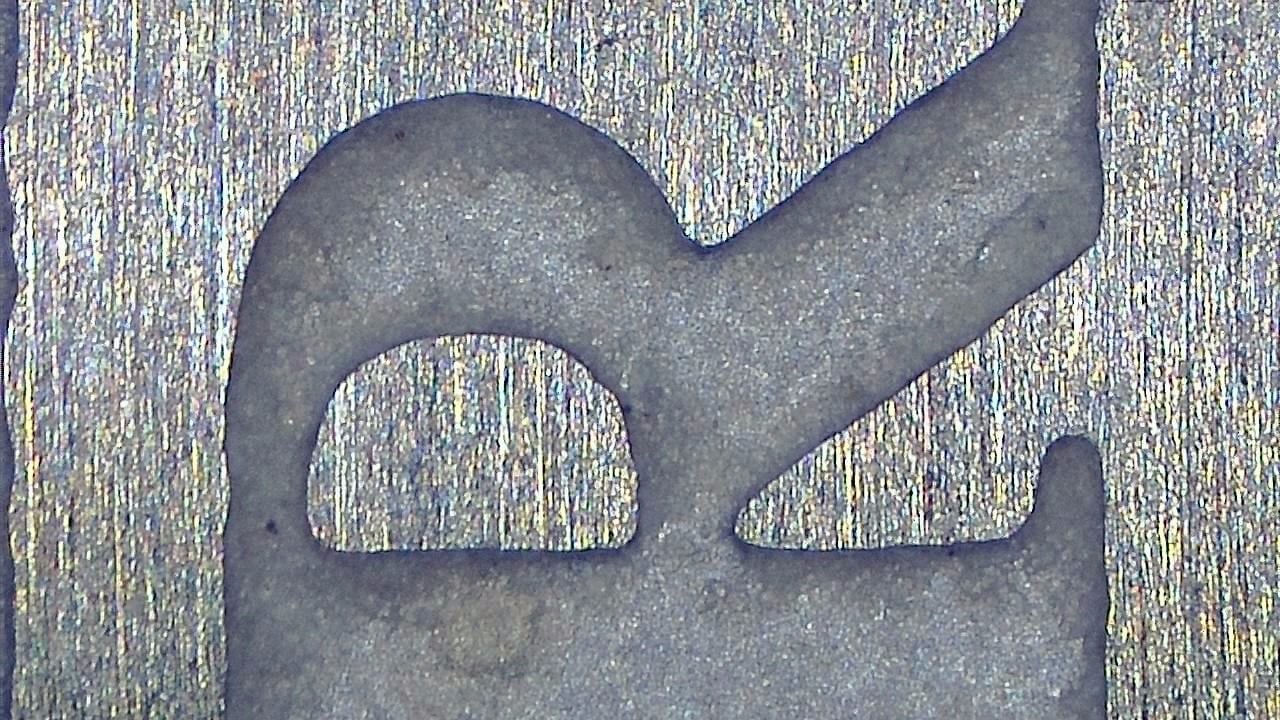
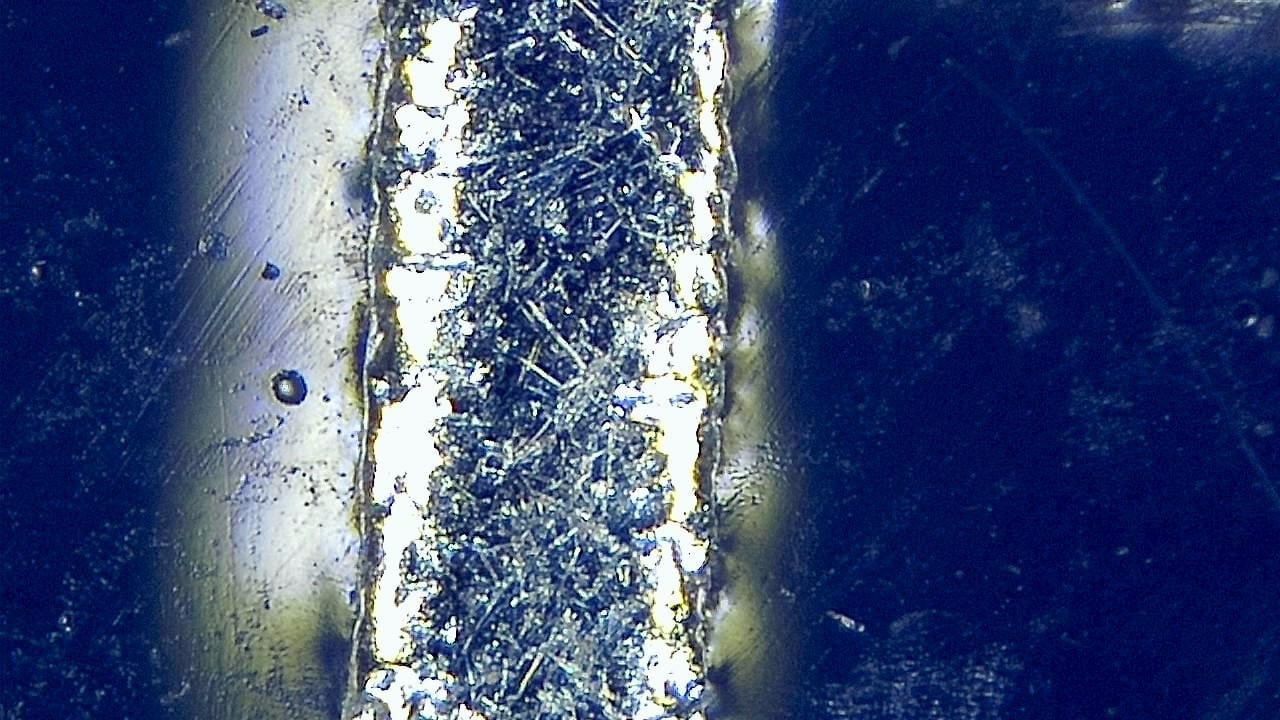
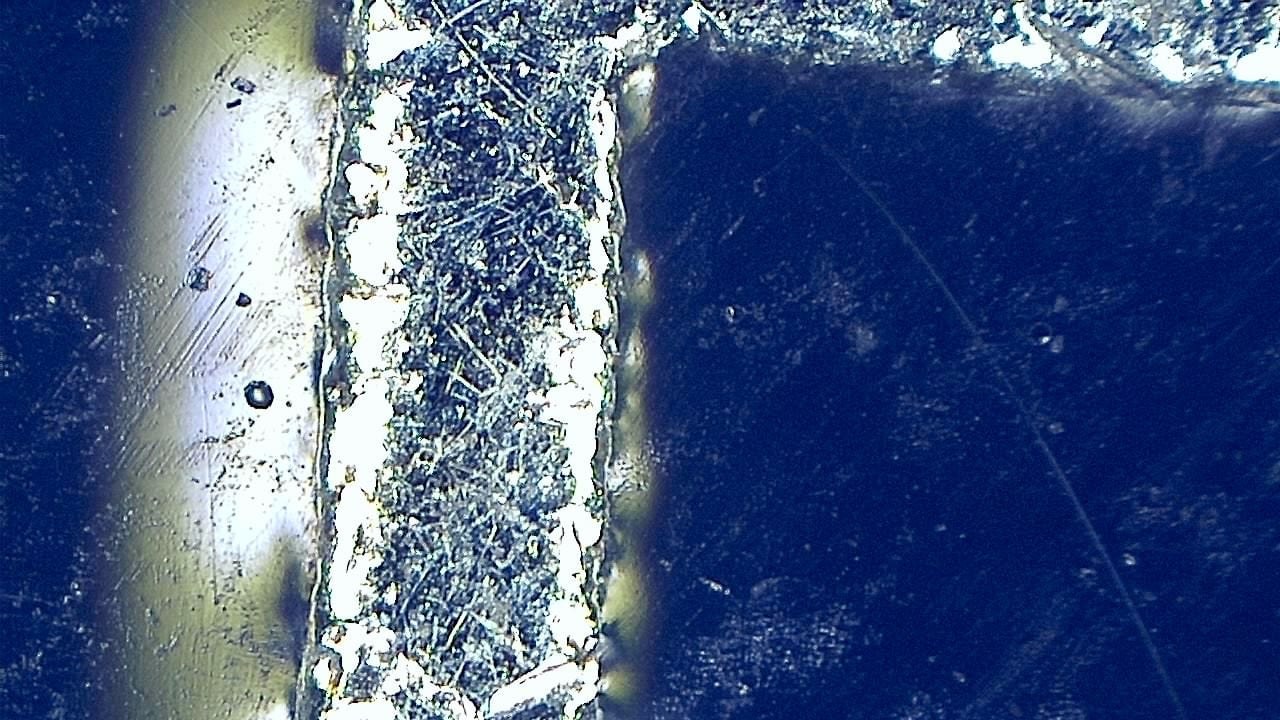
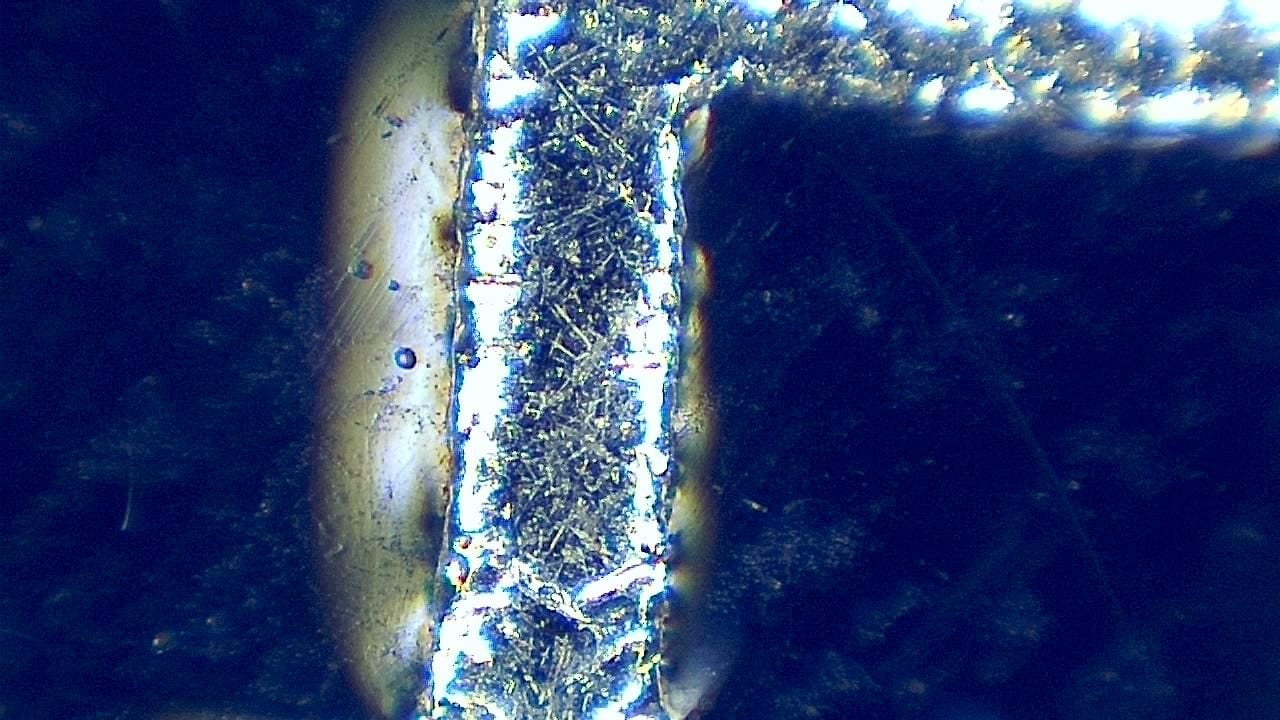
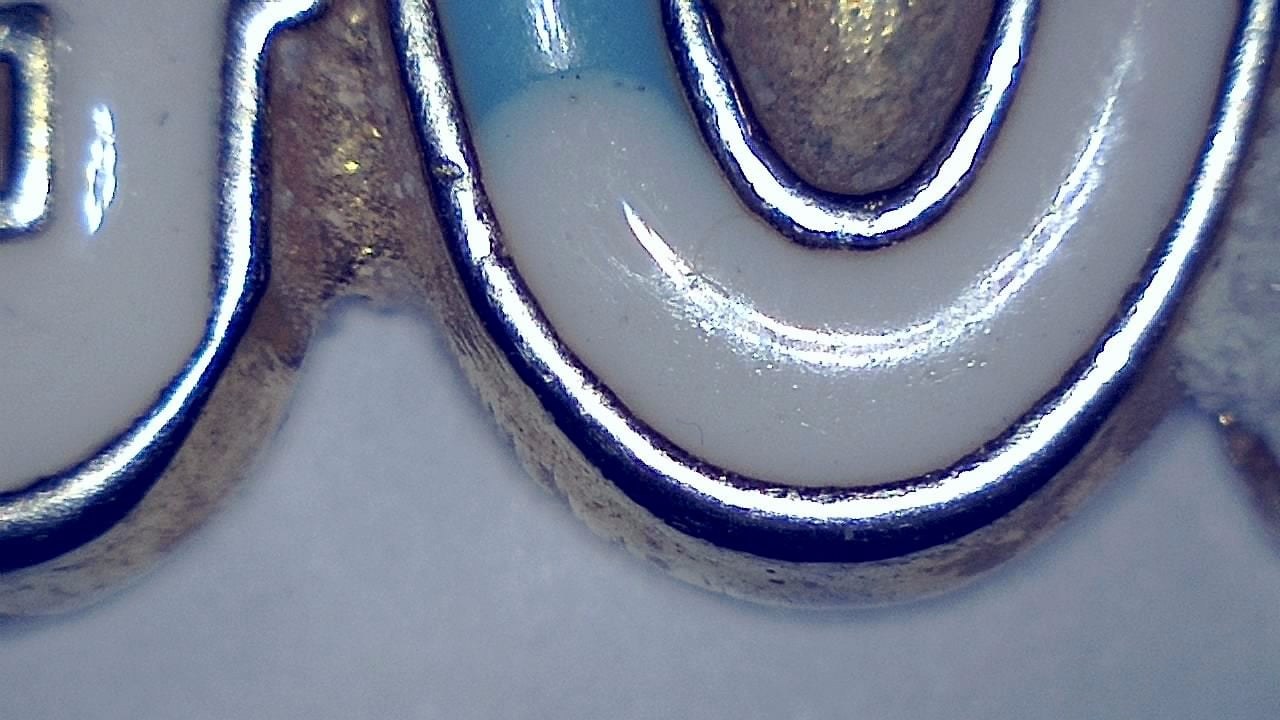
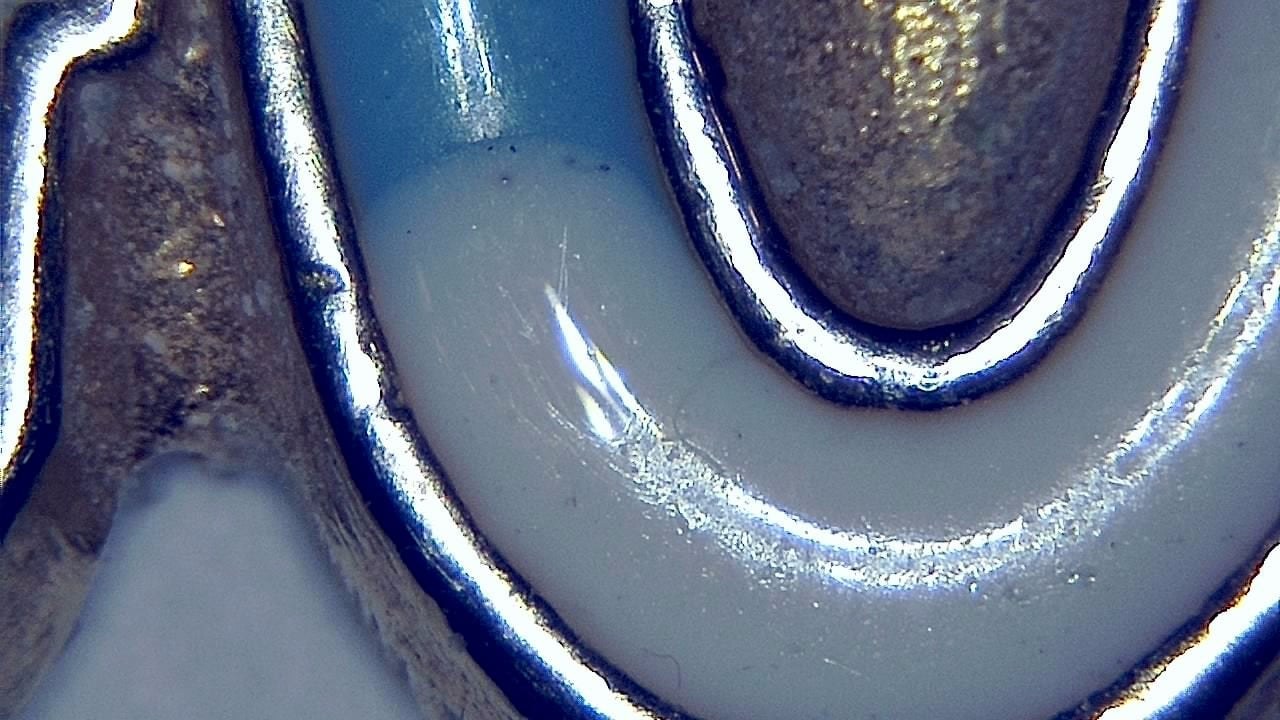
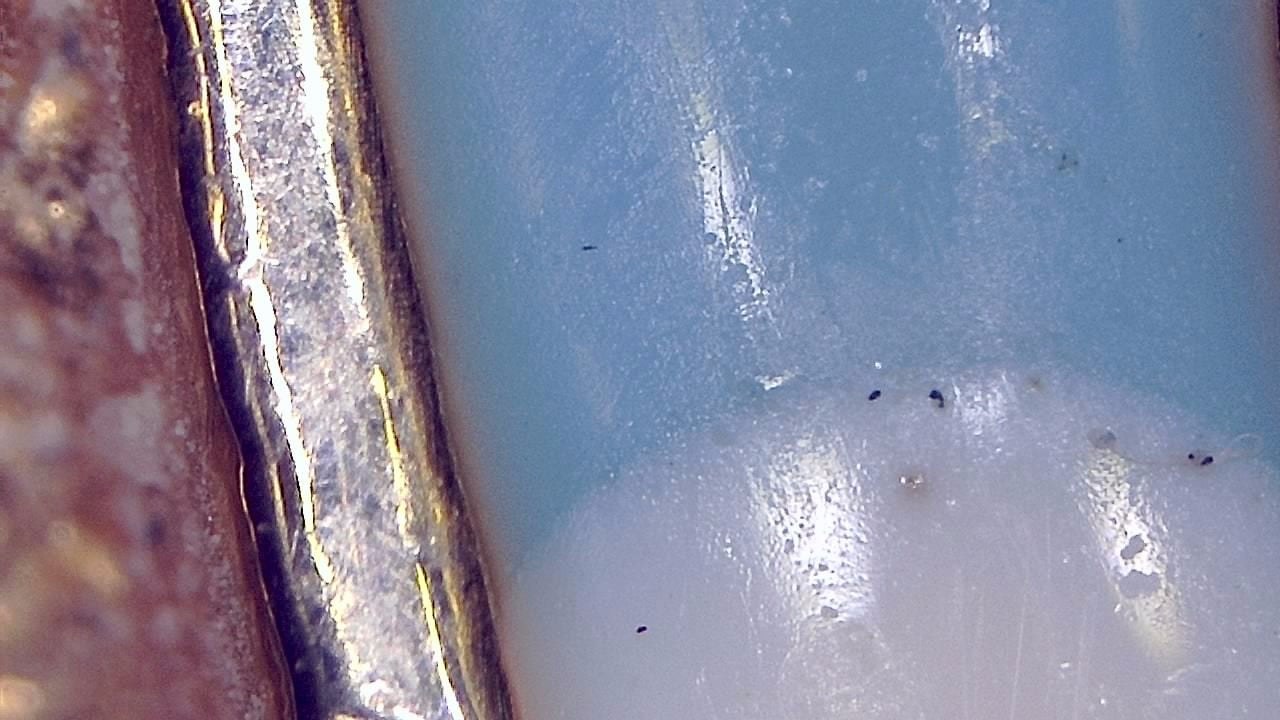
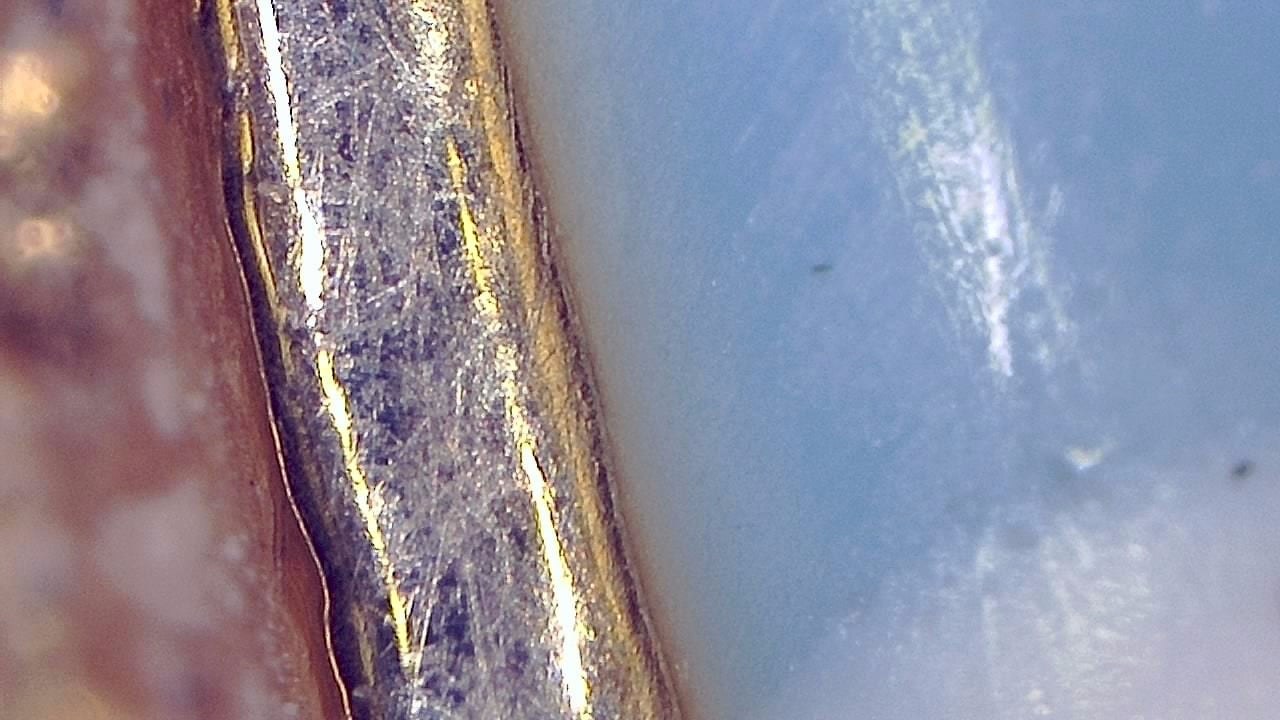
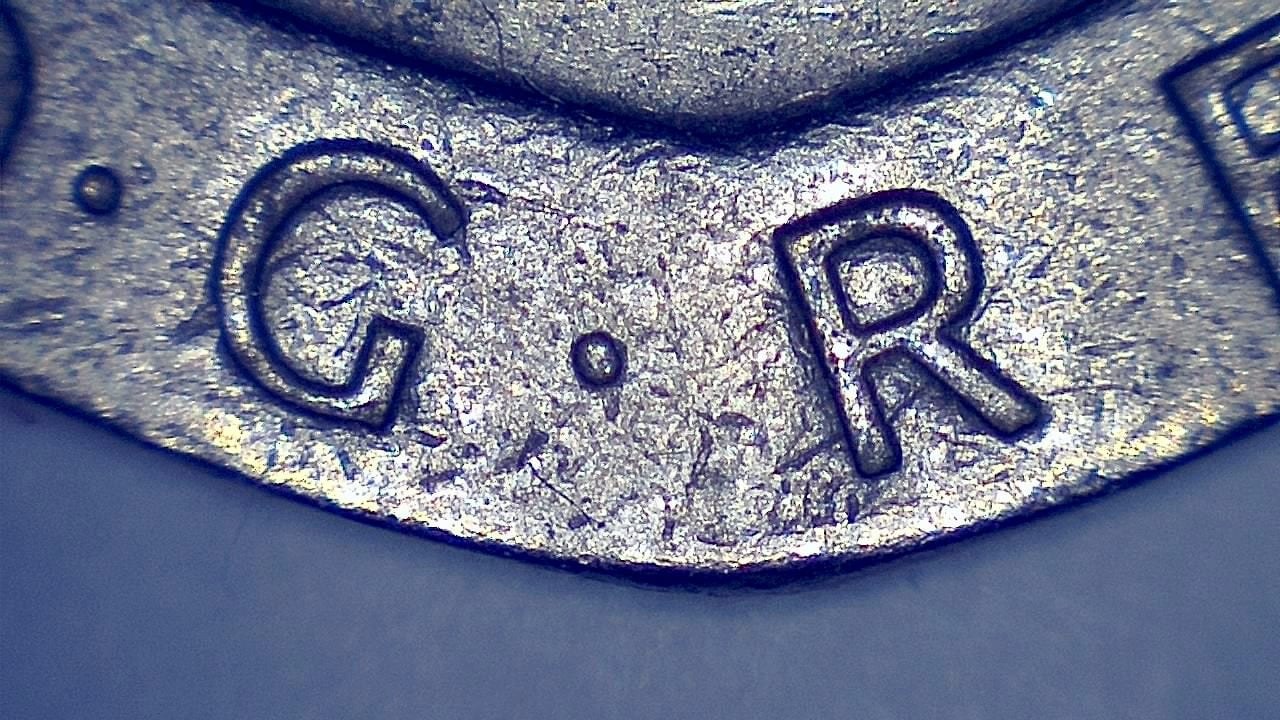
Click any image to enlarge
Practical examples
Gemstone surface documentation
A gemologist captures images of optically accessible features for a working record, while certification and grading use the required gemological methods and instruments.
Vintage watch servicing record
A watchmaker photographs visible wear on accessible escapement parts before and after servicing, while functional diagnosis uses the complete watchmaking workflow.
Coin surface and condition documentation
A collector photographs mint marks, edge reeding, scratches, and surface texture for closer review before purchase or sale; authentication and grading remain specialist judgments.
Limitations & best practices
- For advanced gemology, complement with a refractometer and spectroscope.
- Handle parts with gloves to avoid marks and contamination.
- Adjust lighting depending on reflectance of metals and gemstones.
- Highly reflective coin surfaces or protective slabs may require angle/lighting adjustments to avoid glare and reveal texture accurately.
Frequently asked questions
Can Smart G-Scope inspect gemstones and settings?
Yes. It can document visible details such as settings, prongs, surface condition, chips, inclusions, engraving, and hallmarks.
Does it replace gemology lab equipment?
No. It is a visual inspection and documentation tool, not a replacement for specialized gemological instruments.